 South Otago High School
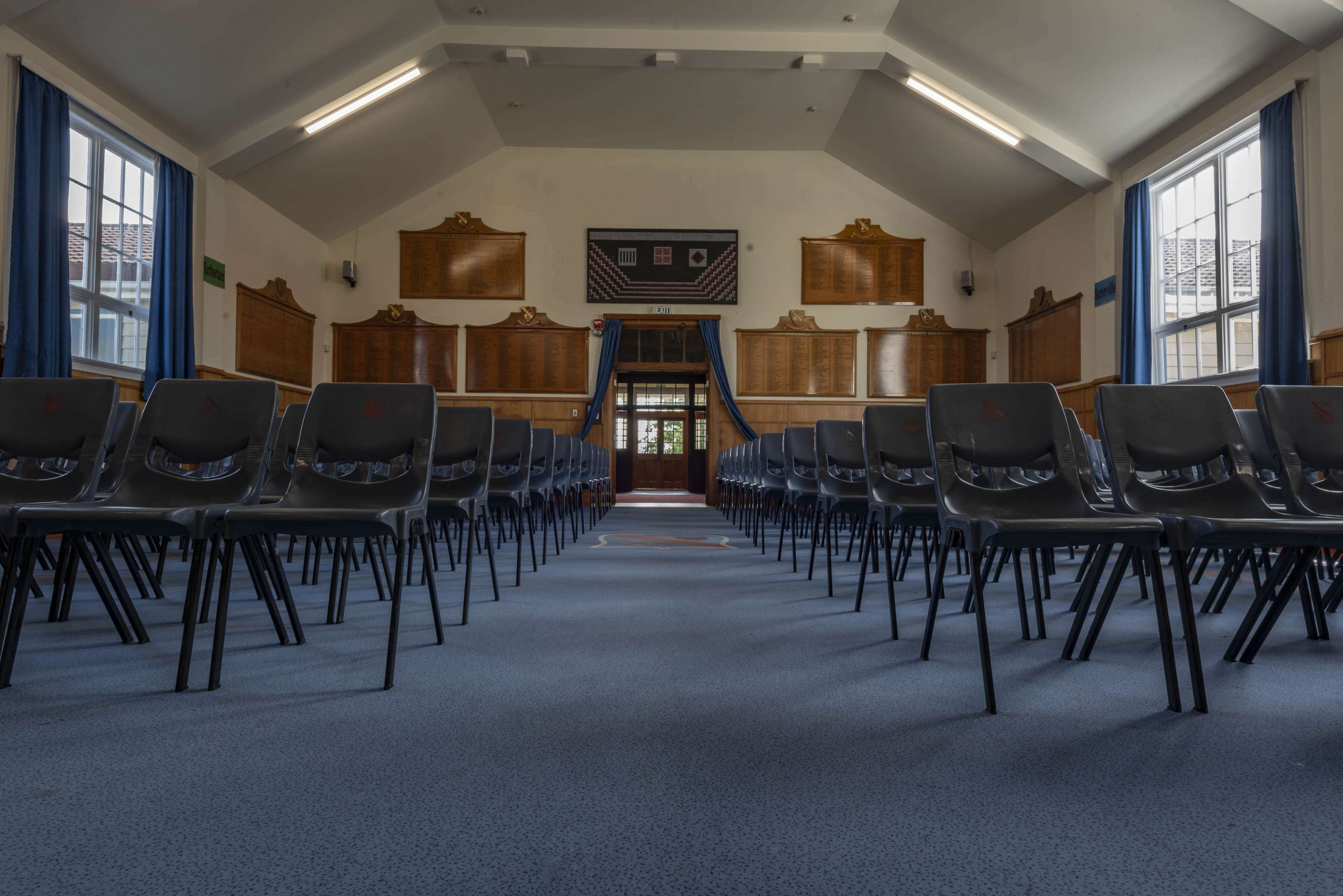
This week I spoke in assembly about AI and exams and wanted to share the message with everyone. Here is an adapted transcript of what I said on Tuesday.
As Principal’s Nominees Miss Tuhega and I deal with breaches of authenticity and assessment conditions. This is a really serious issue and often ends up in students Not Achieving assessments.
We are seeing more use of AI in assessments, including in the junior school and this is worrying for two reasons.
The first is that assessments are an official way of measuring what you have learned. If you are submitting work that is not your own, and you haven’t learned it, it’s basically a lie. I know credits and results are important, but at the end of the day they are not more important than what you have actually learned! And that is what we are all here to do, teach and learn. So, don’t use AI for your school work!
The second reason AI is worrying is because of what it does to your brain. A study released earlier this year from MIT (a top US university) scanned students' brains and revealed that students who have used AI to complete work had lower brain engagement - that means LESS of their brains are working. Students using AI “consistently underperformed at neural, linguistic, and behavioral levels.” and the study suggested they were becoming generally lazier.
There was also a suggestion that the younger you are using AI, the more damaging it may be. So, don’t use AI for your school work!
We want you using your brain, practicing thinking and problem solving - this is how you will be successful in whatever you do when you leave school.
Which leads me to my next topic: Exams
Exams are another way we assess you, your knowledge and your progress. I know lots of people find them stressful and we are seeing more and more students opting out, often because they already have enough credits. BUT exams are about more than credits, and I want to tell you a story.
Recently I was speaking to a local business owner in the trades. They had a brilliant young apprentice who was doing really well, very skilled and competent. However when they went to sit their test to get fully qualified and registered, while they did pass, they really struggled. The business owner told me they were shocked at the stress their apprentice was under and how much they struggled to pass the test, even though they were very good in their trade.
When the business owner asked the apprentice how many exams had they sat at school, the apprentice said - none. They hadn’t needed to,they had their credits and exams were ‘too hard’ and so they hadn’t done them.
We talked about how different that experience might have been for the apprentice had they sat their exams. Sitting exams give you practise working under pressure, remembering information without looking it up, managing your time and your stress - these are all critical skills for the real world and every job - even if it’s not one you end up in by going to university or polytech.
So keep that in mind as you are preparing for exams at the end of this term and the end of this year!
Your brain is like a muscle which needs to be exercised to stay fit and strong… so stop using AI to do your thinking!
------------------------------------------------------------------------------
On a related note all the CAA Literacy and Numeracy exam results are now available and we will begin to look towards entries for the next round of assessments in September. If a student did not pass I encourage them to log into their NZQA portal where they should be able to get some simple feedback on areas of weakness. This is a great starting point to talk with their teachers and find areas of focus.
All Year 10s who did not sit or did not pass the CAAs in May will be entered into the September round. Please keep an eye on your emails for information from me regarding these tests.
As always I cannot stress enough the importance of reading! Please encourage your child to pick up a book, a magazine, a manual! Even better, do it with them. Modelling reading and talking about what we’re reading is one of the most straightforward ways you can help support your child’s literacy development, no matter their age.
-Ms Beaumont
HOD English
Principal’s Nominee