 South Otago High School
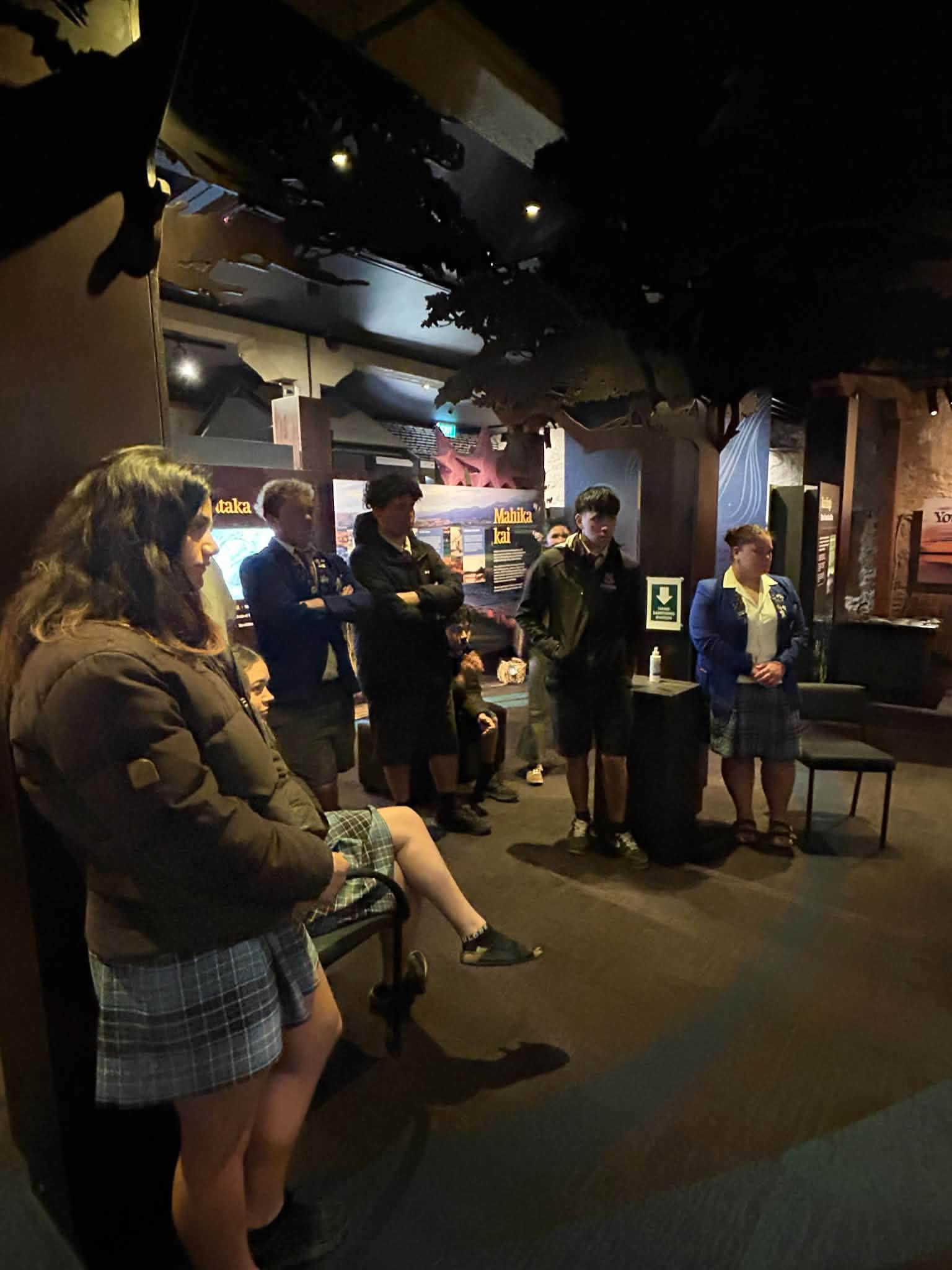
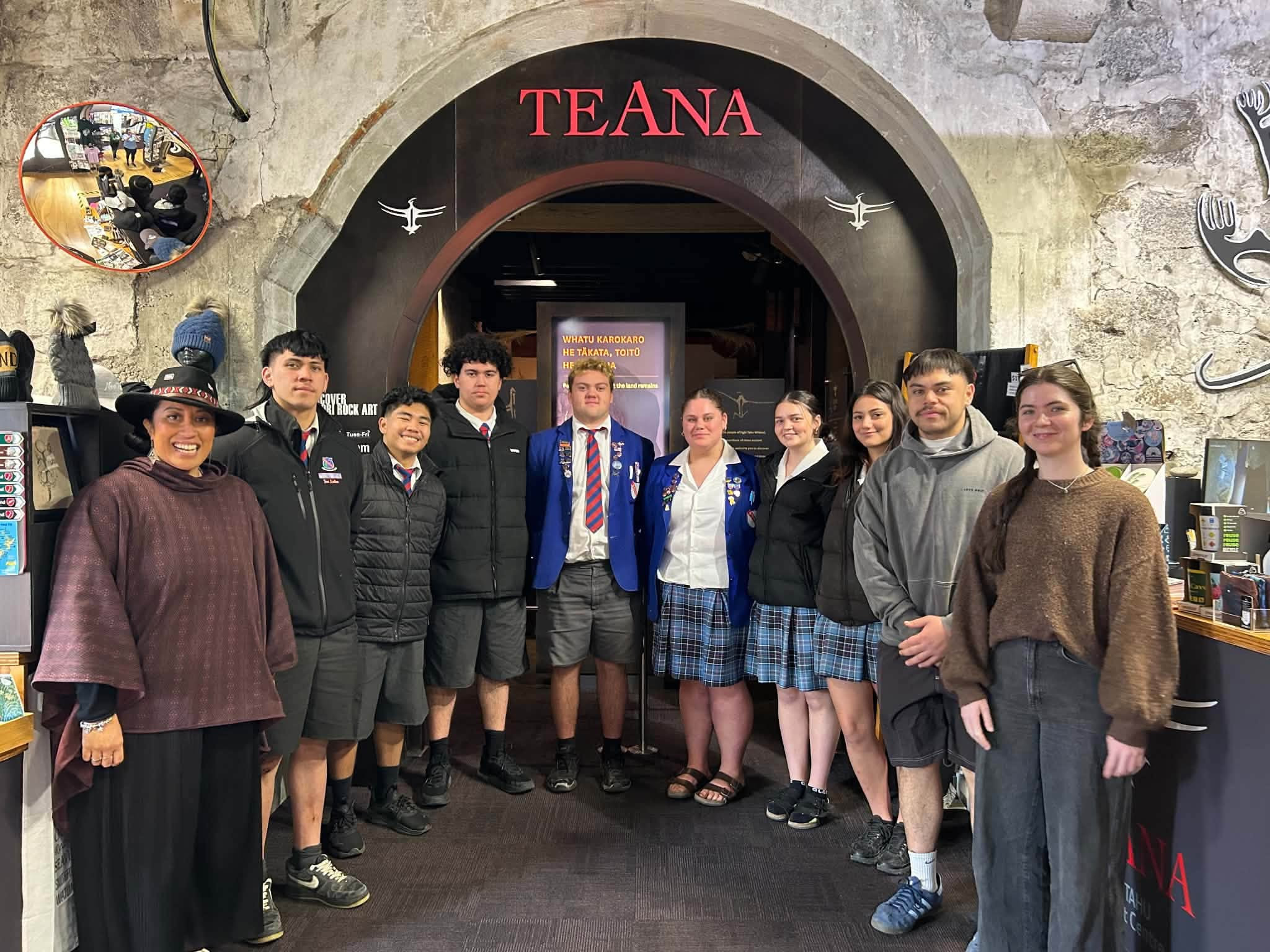
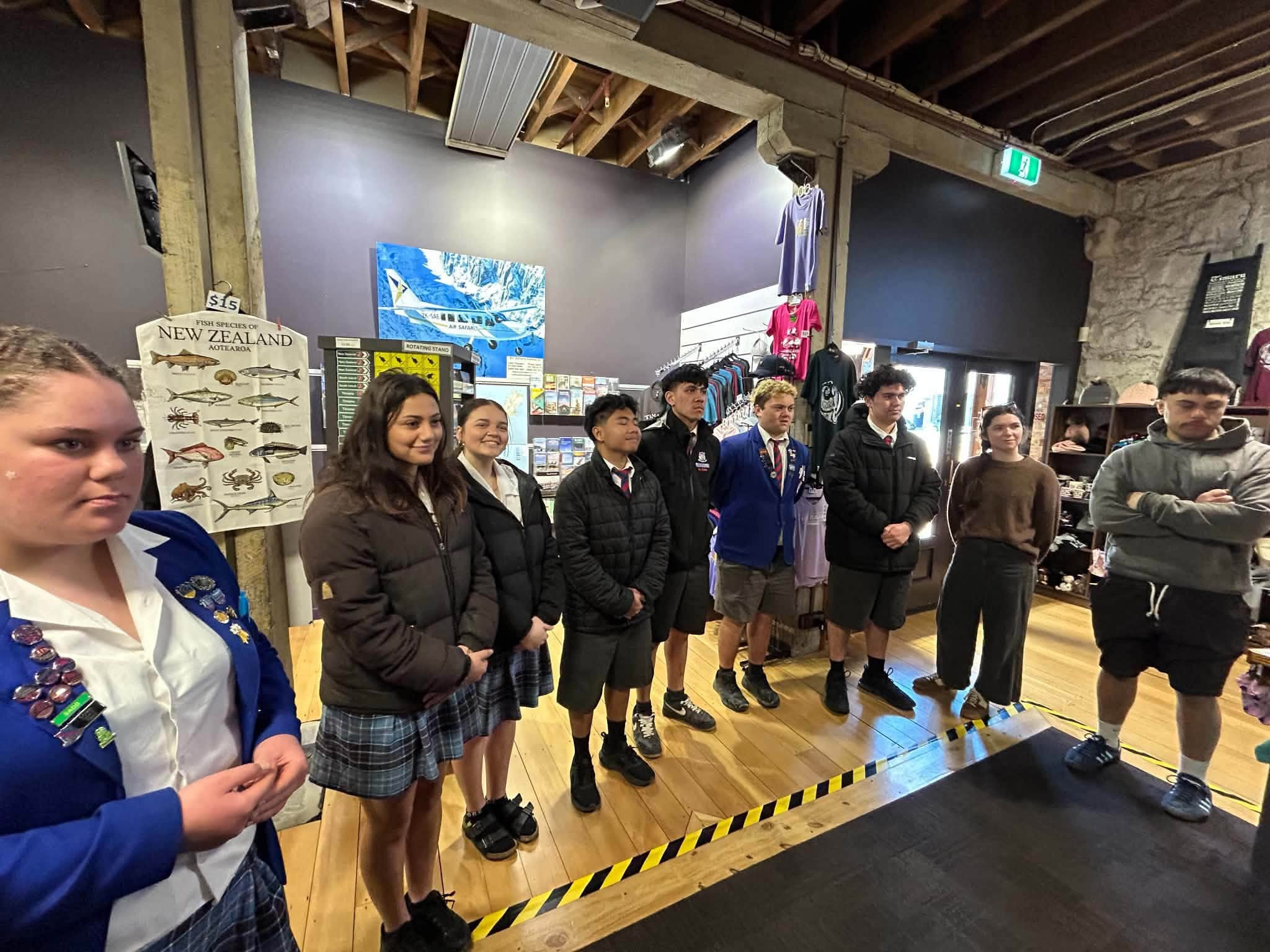
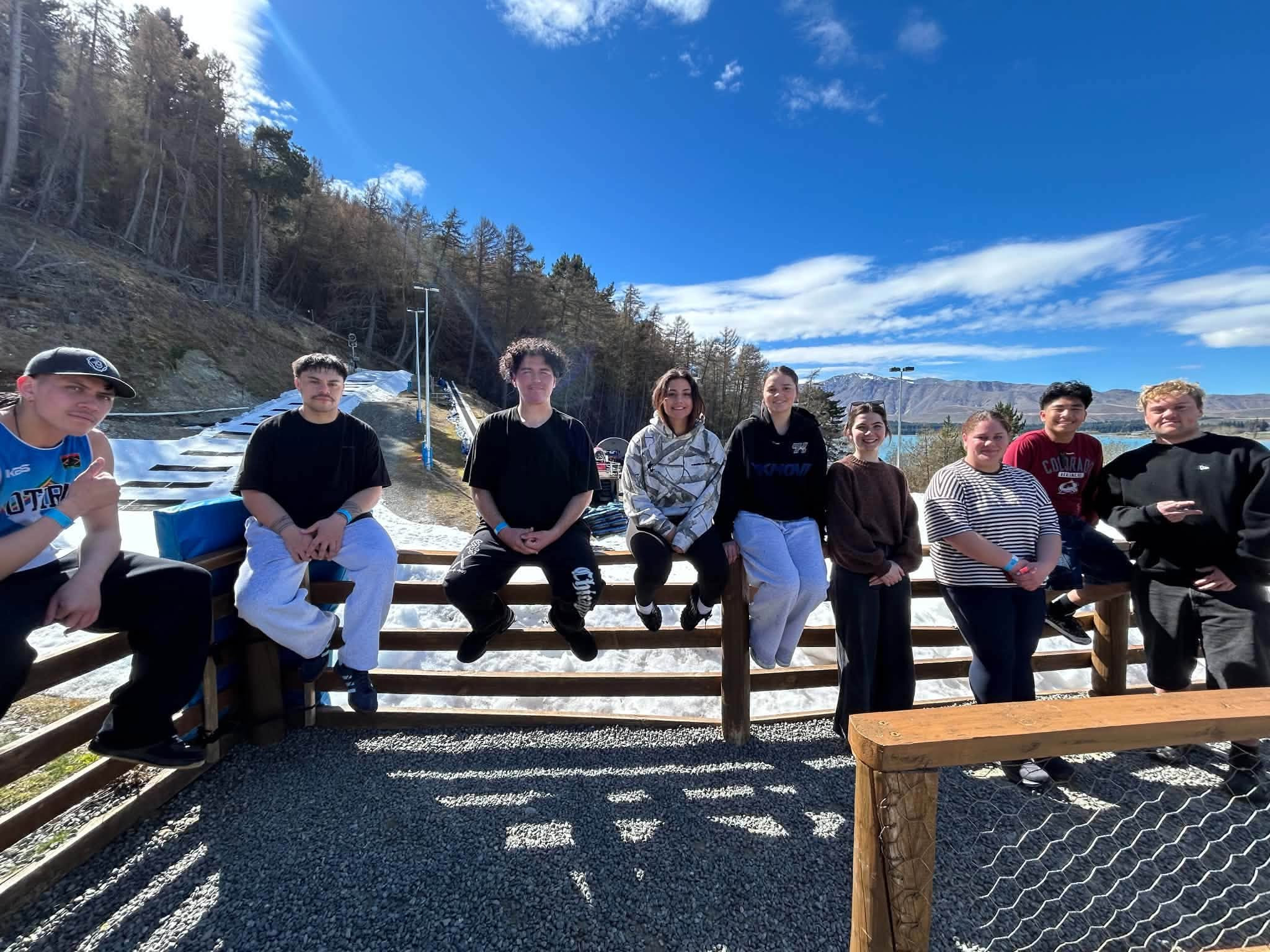
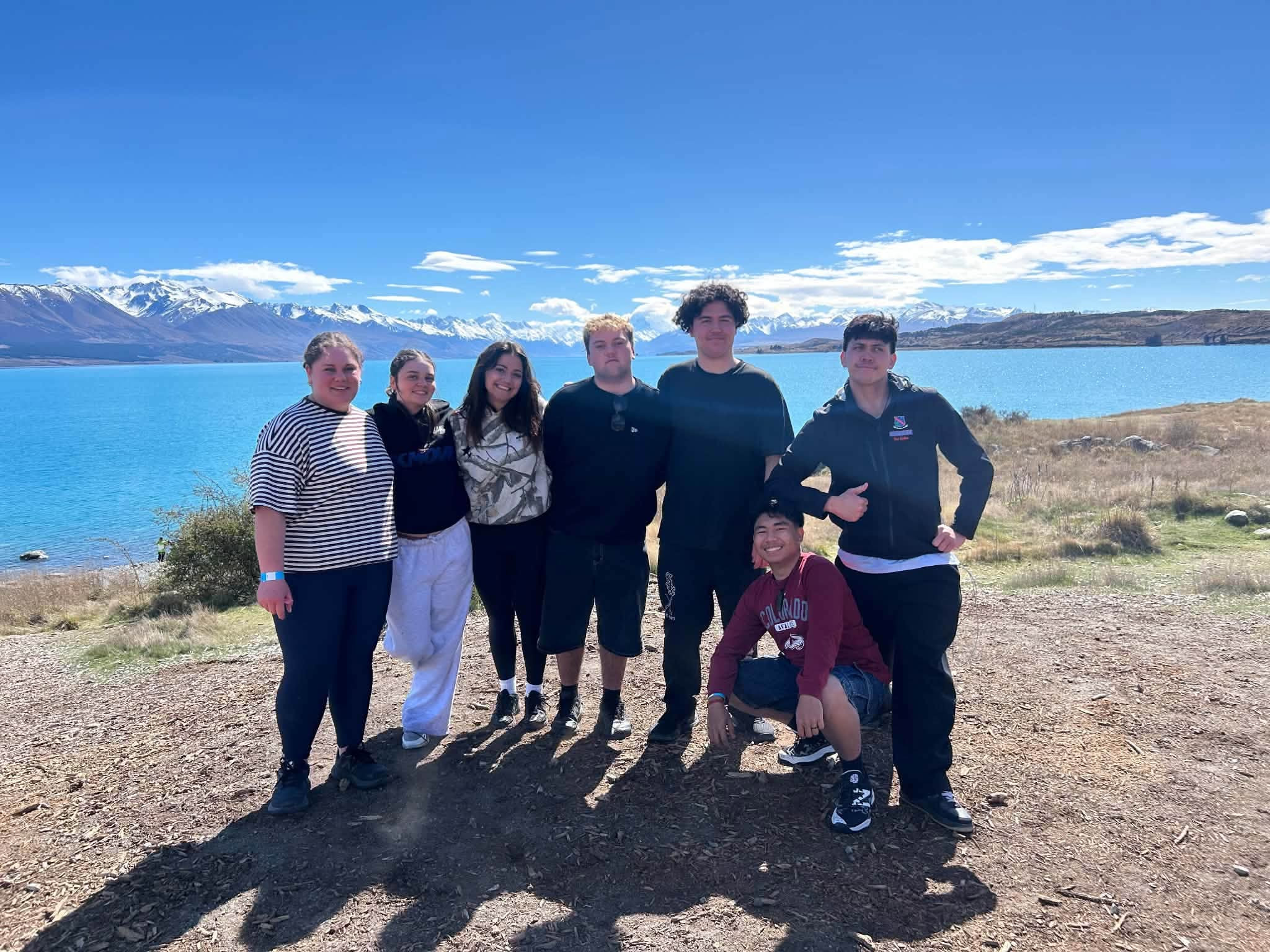
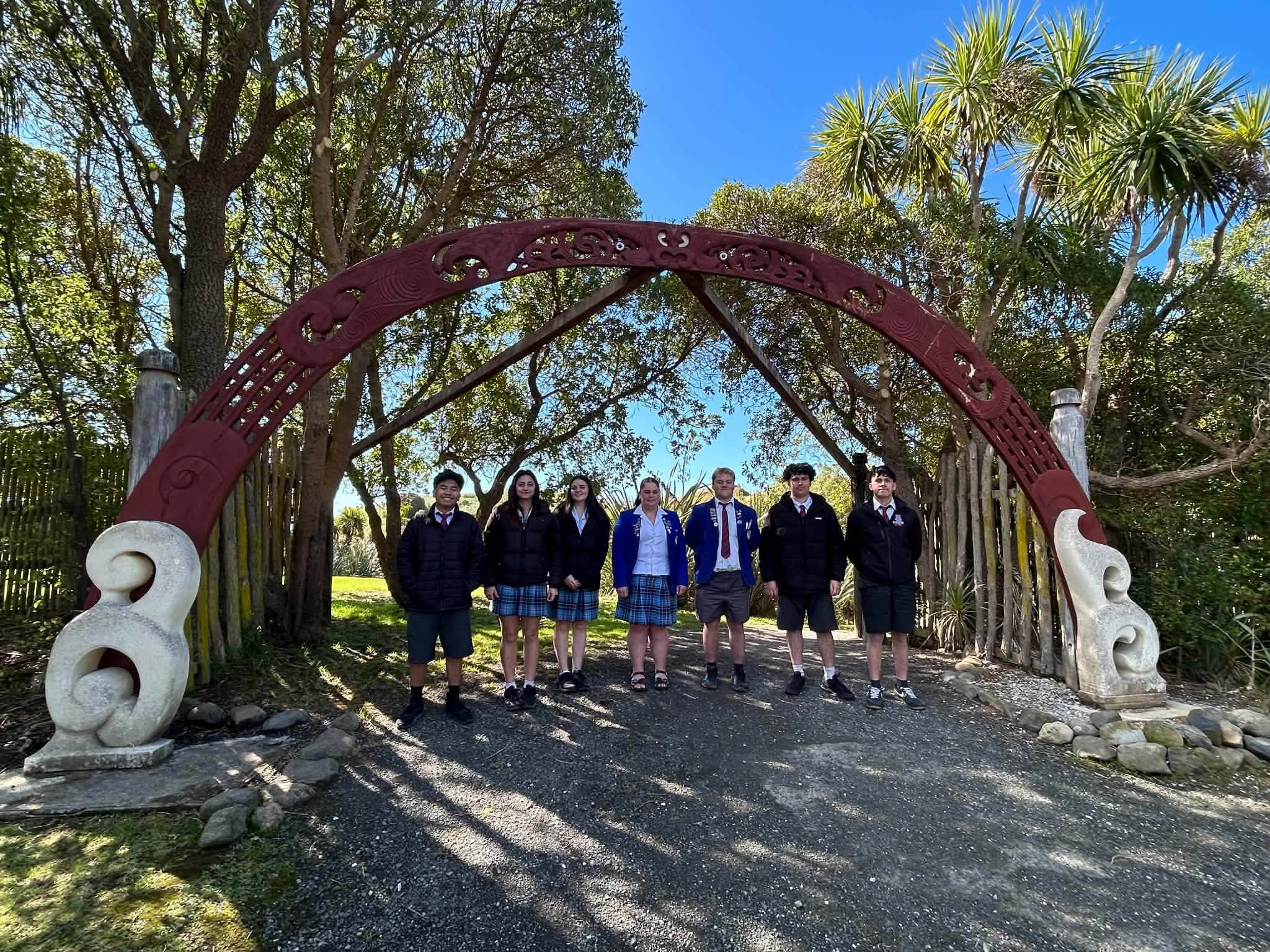
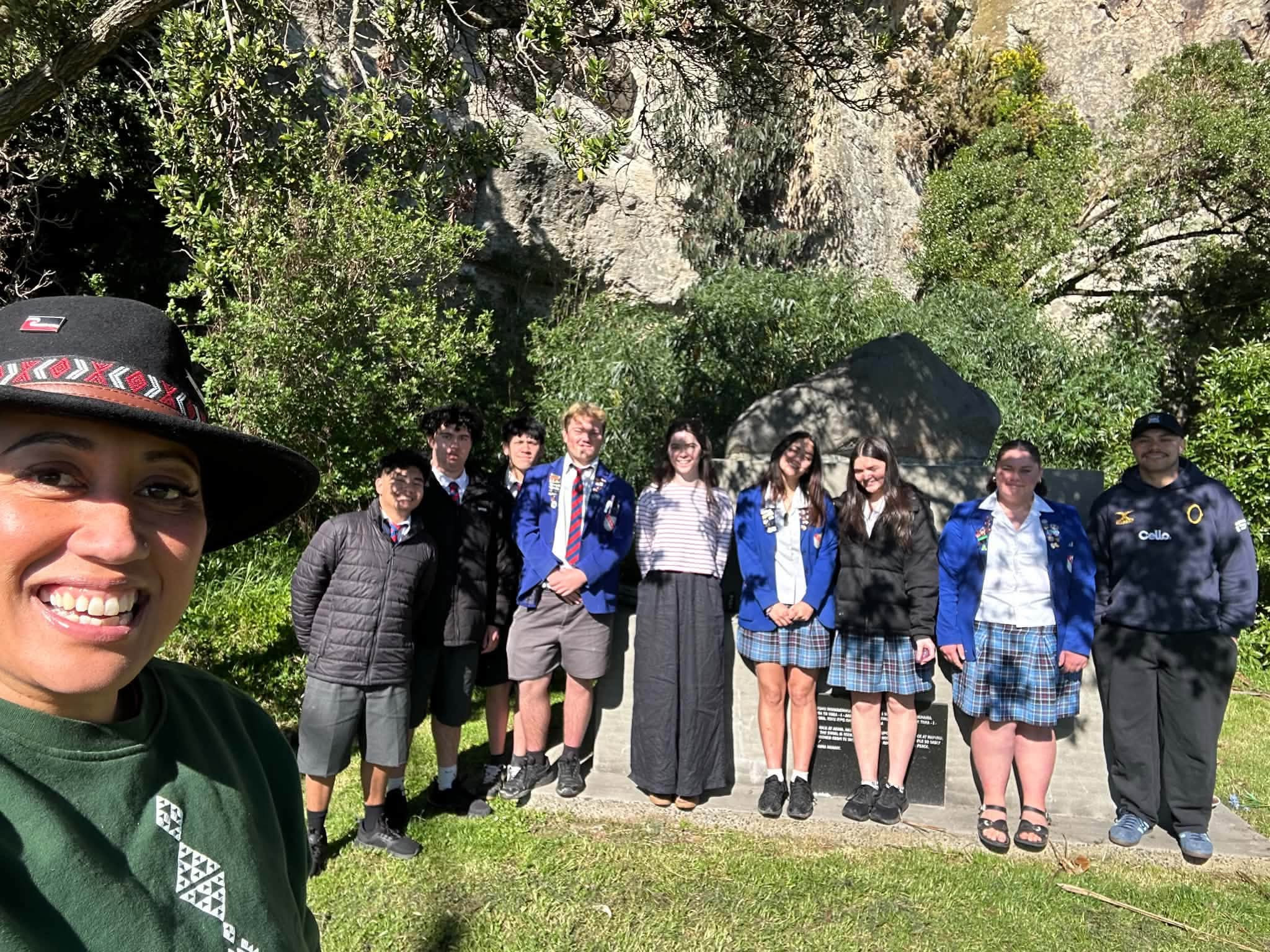
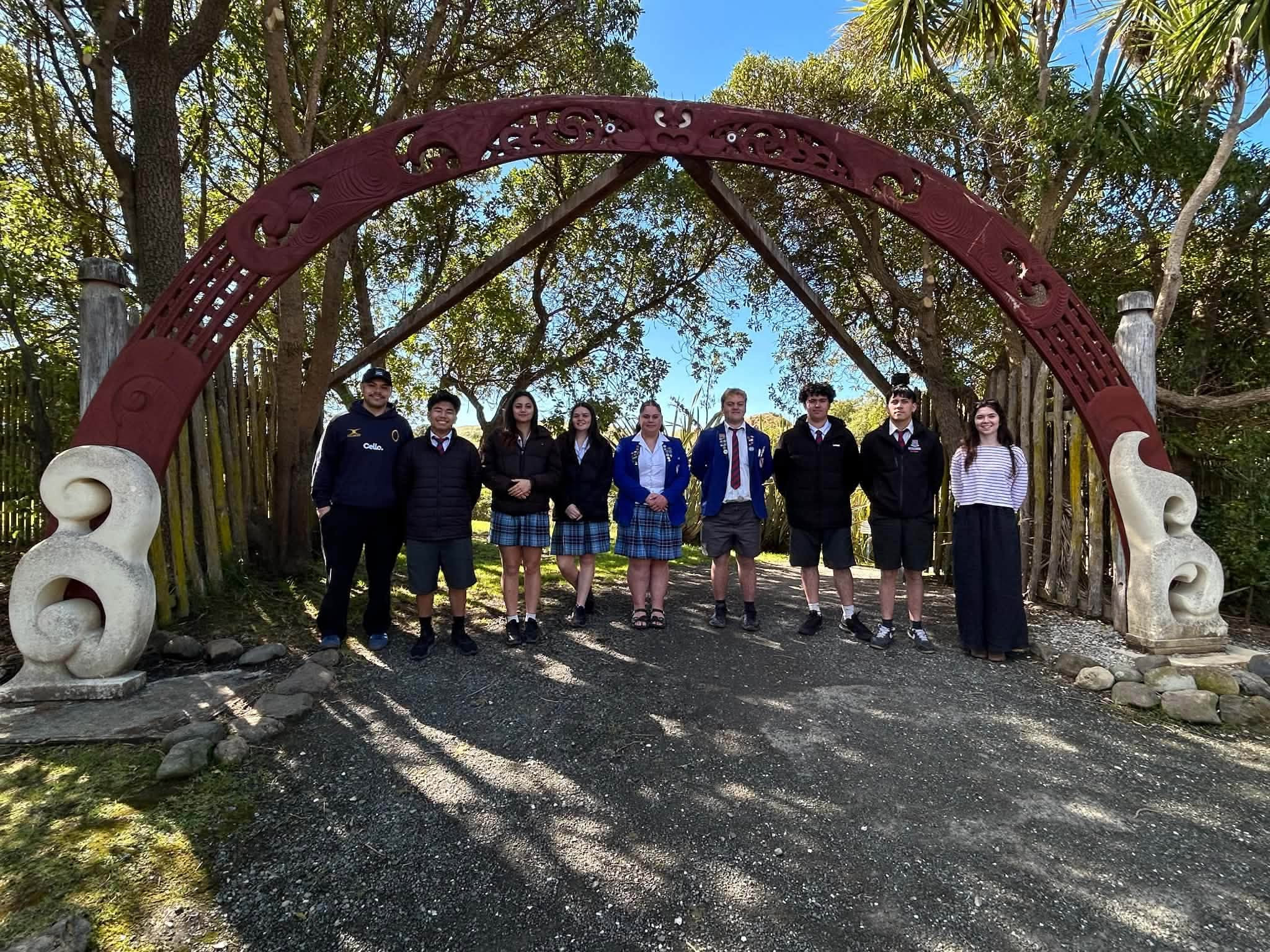
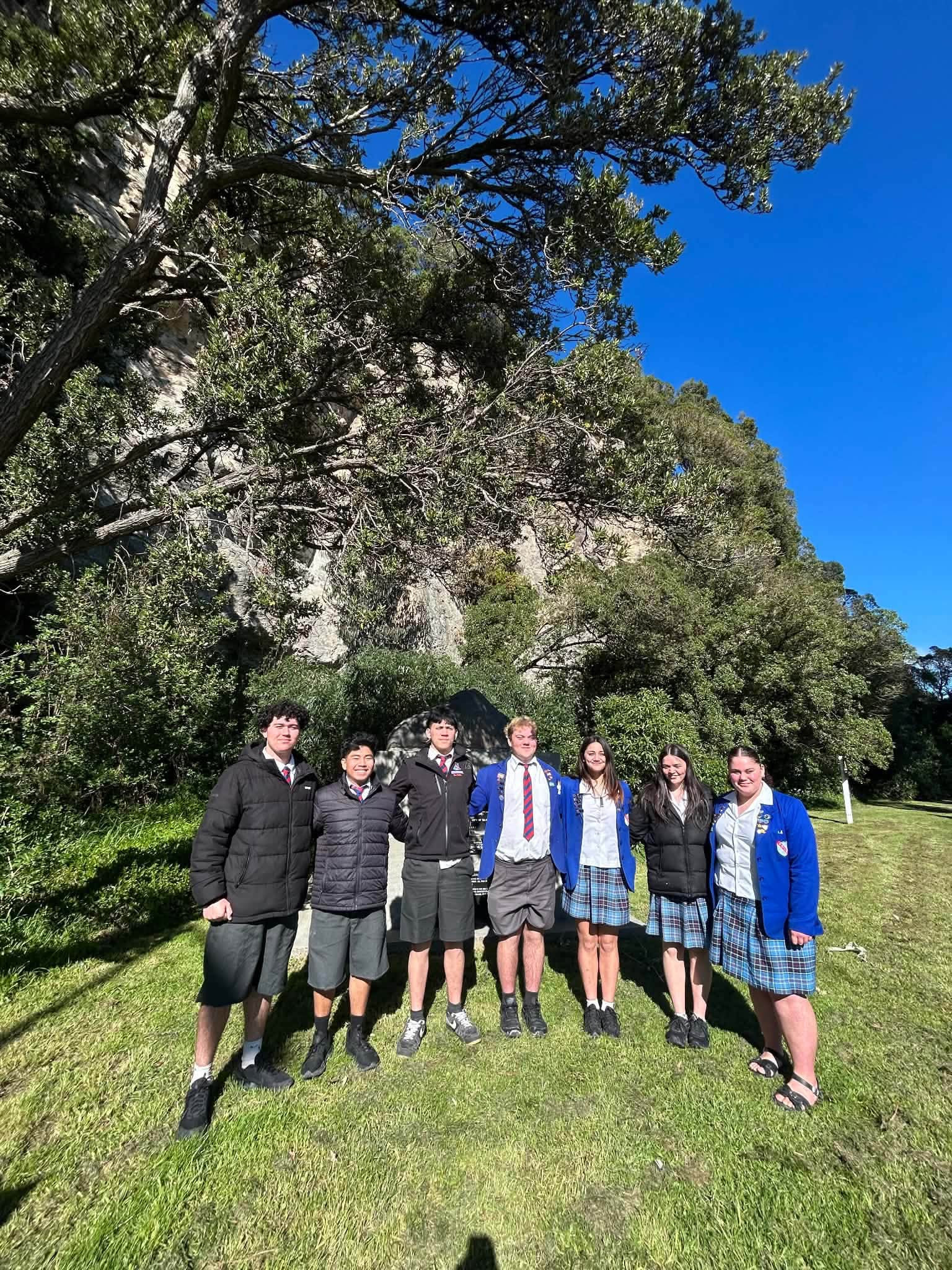
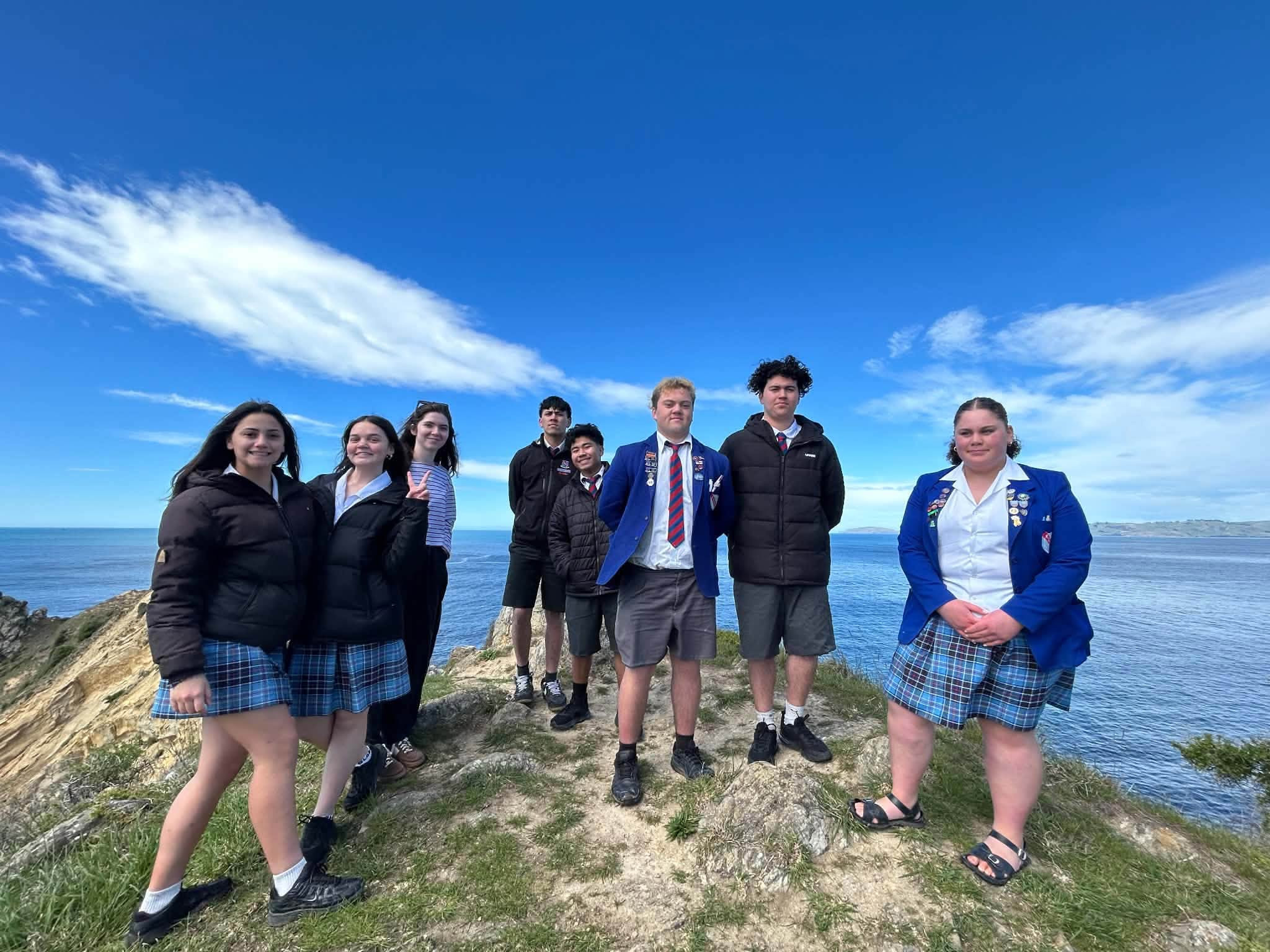
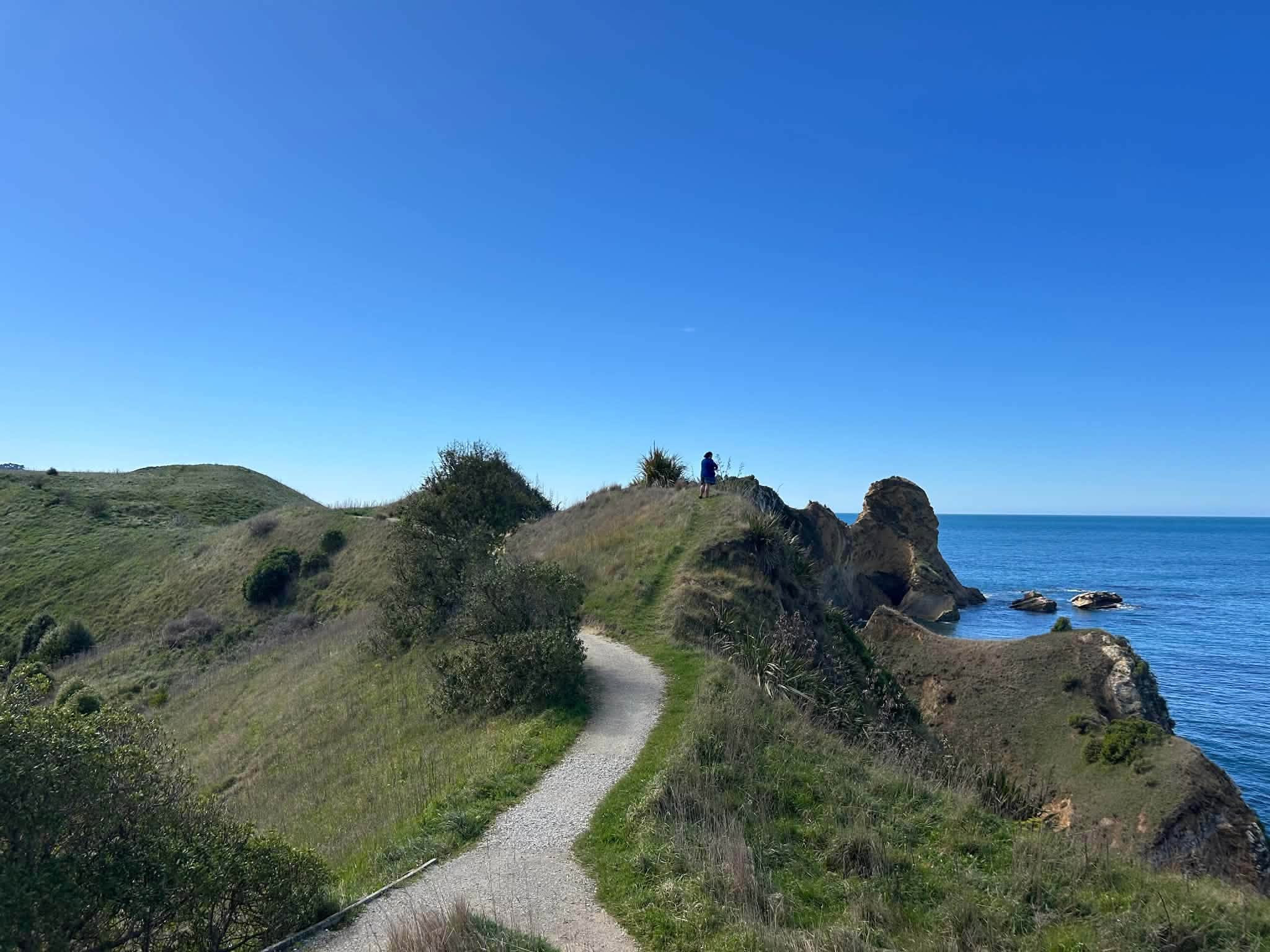
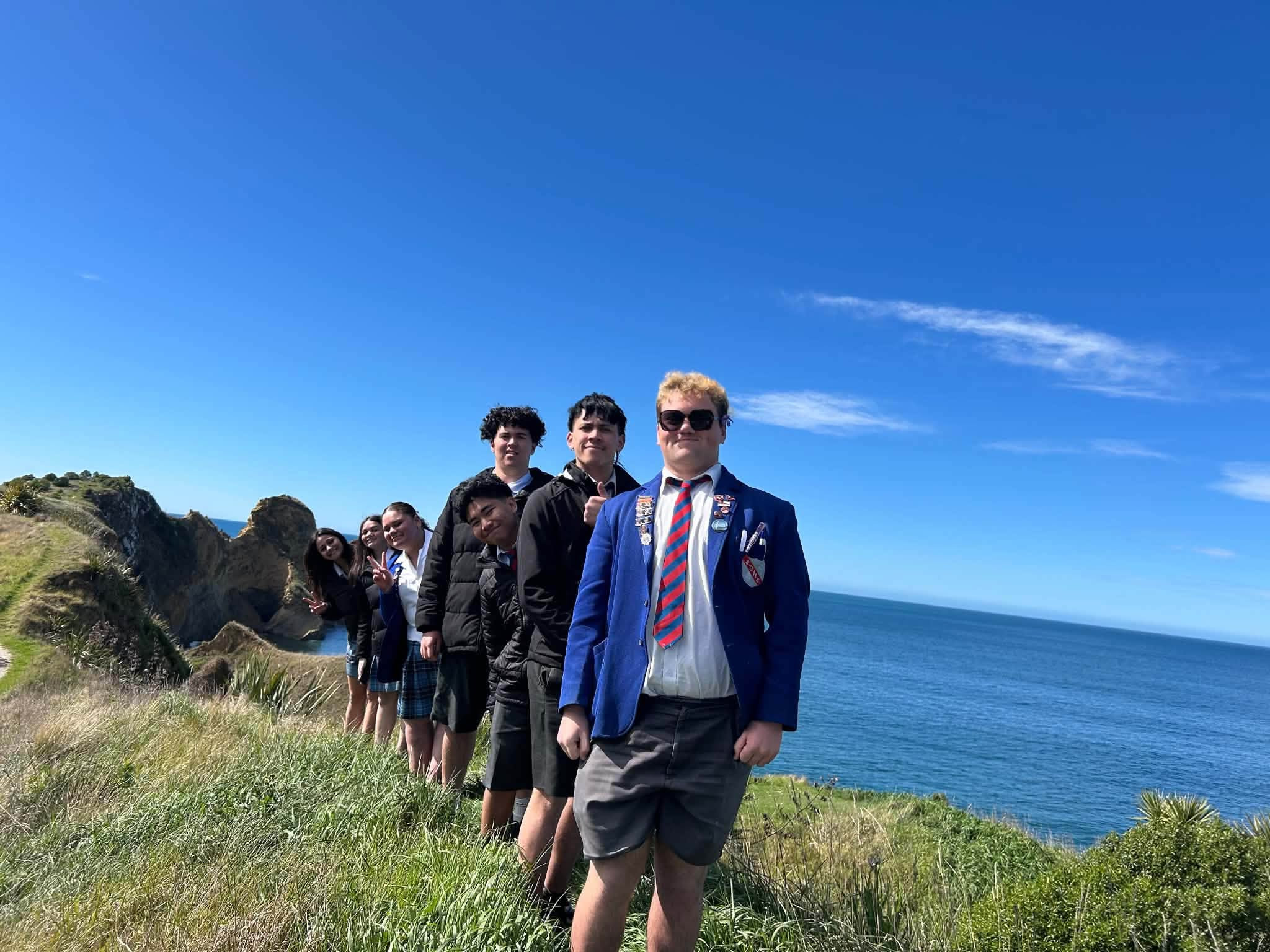
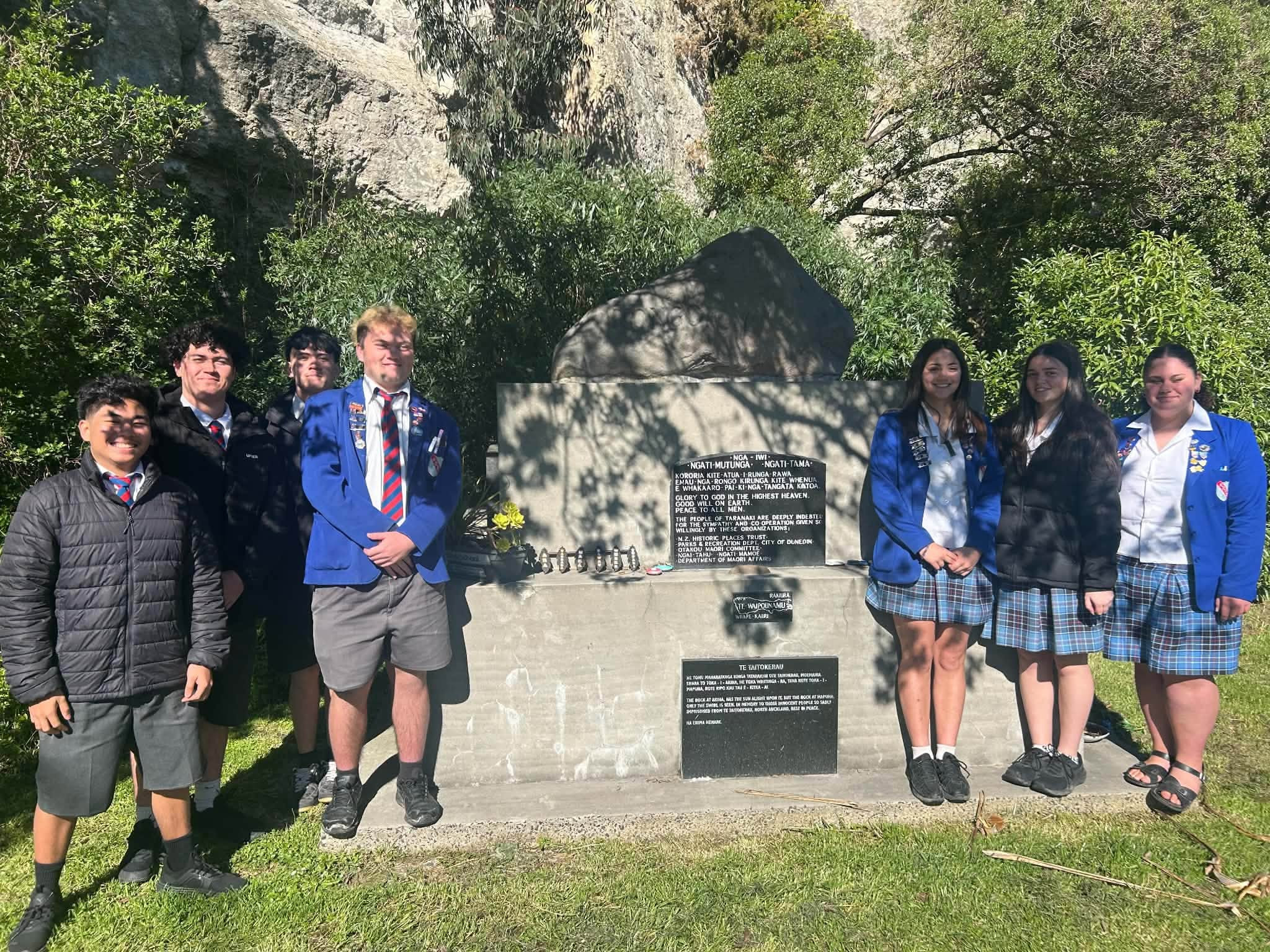
On Tuesday 22 September Miss Tuhega, Miss Wootton, Matua Jared took students who have been learning Te Reo Māori on a haerenga (trip) to Takapō.
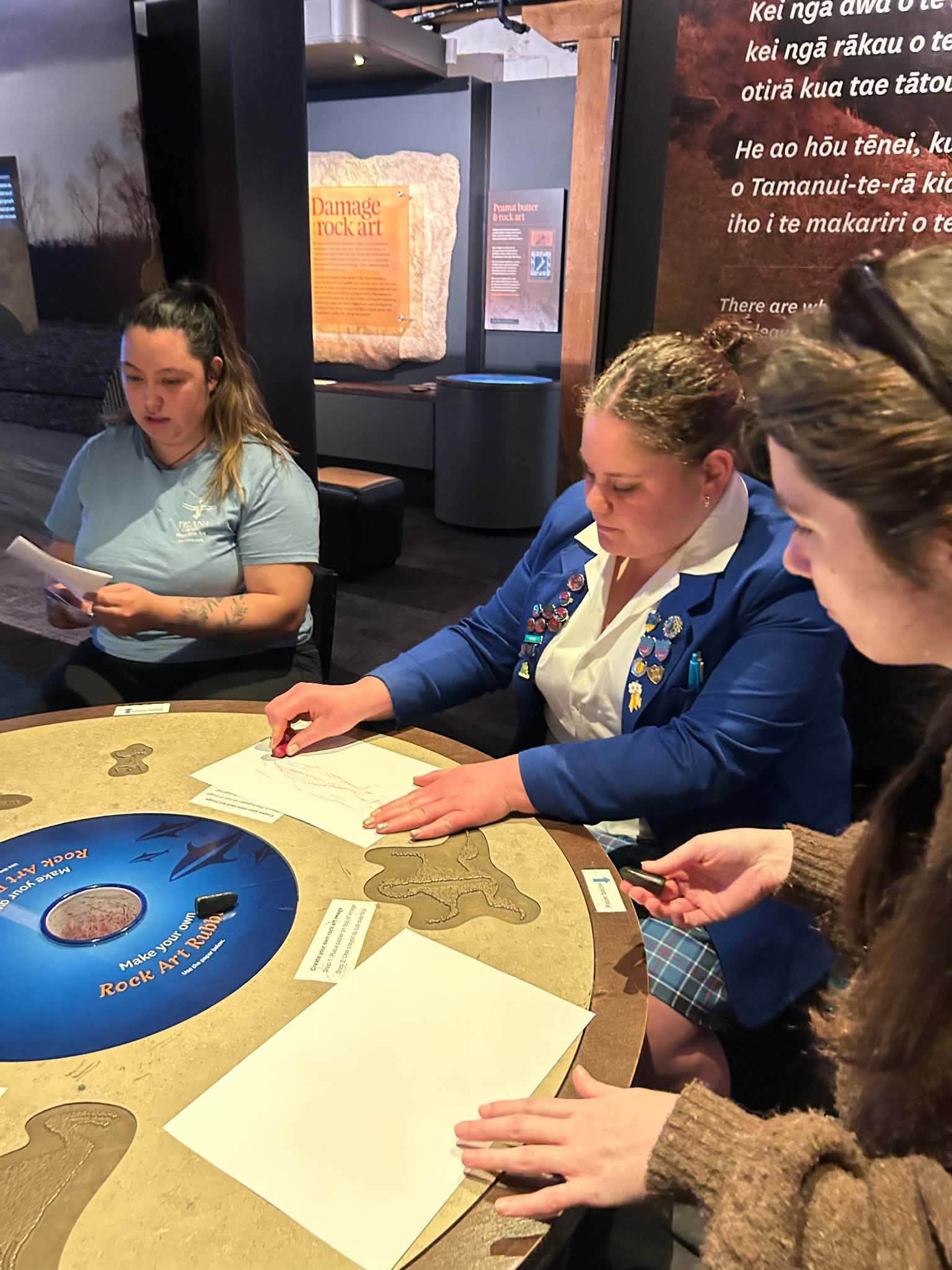
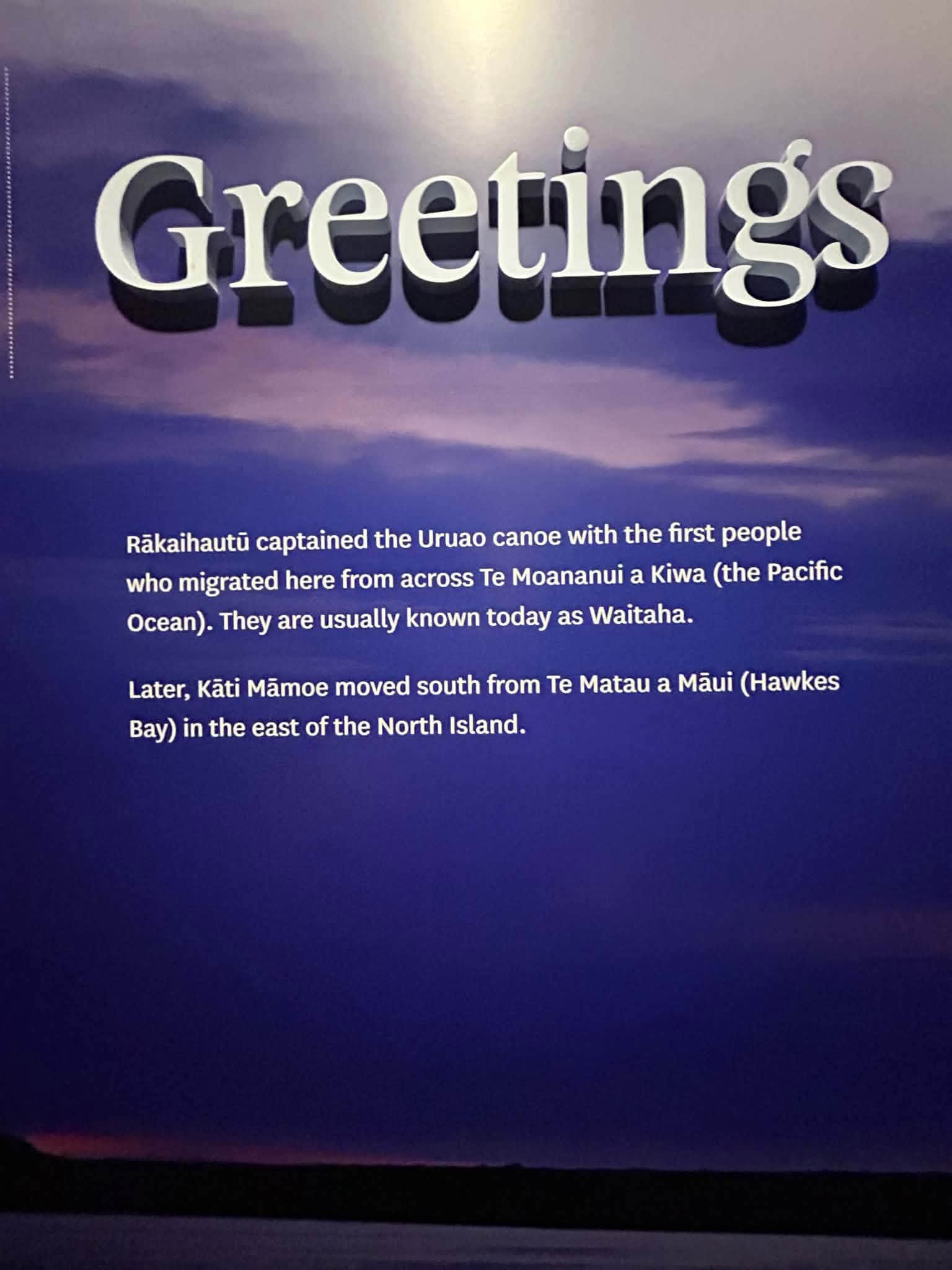
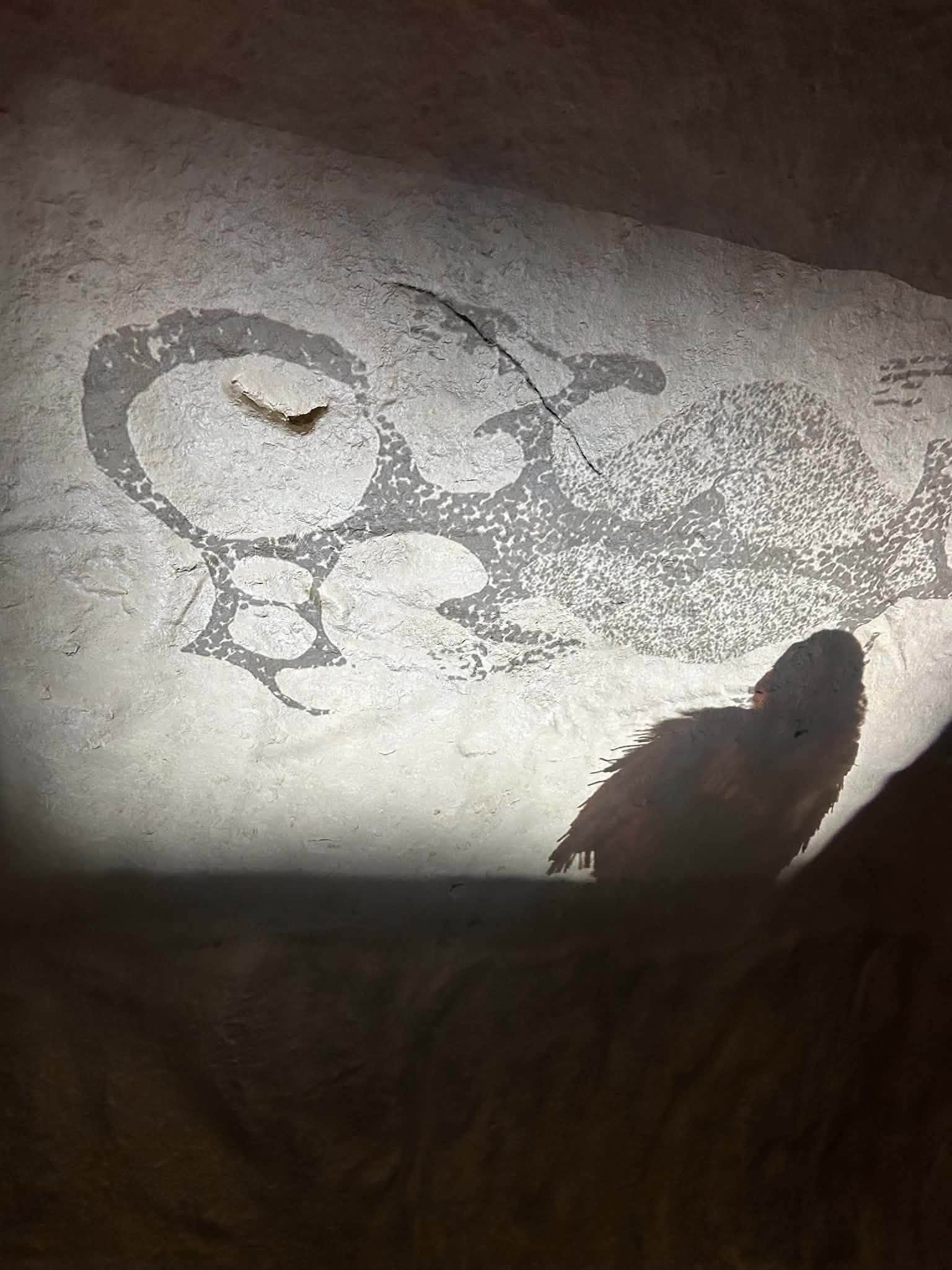
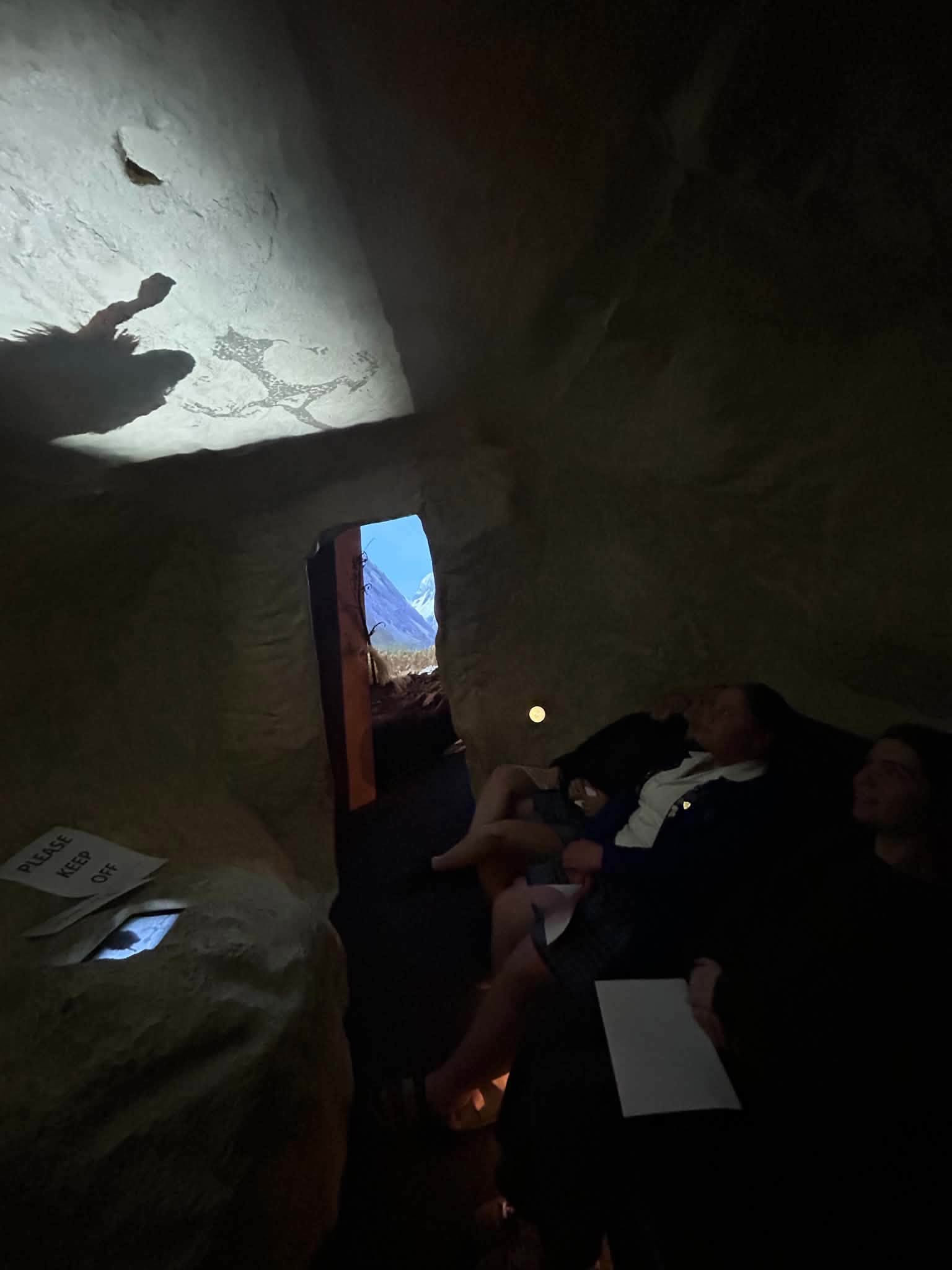
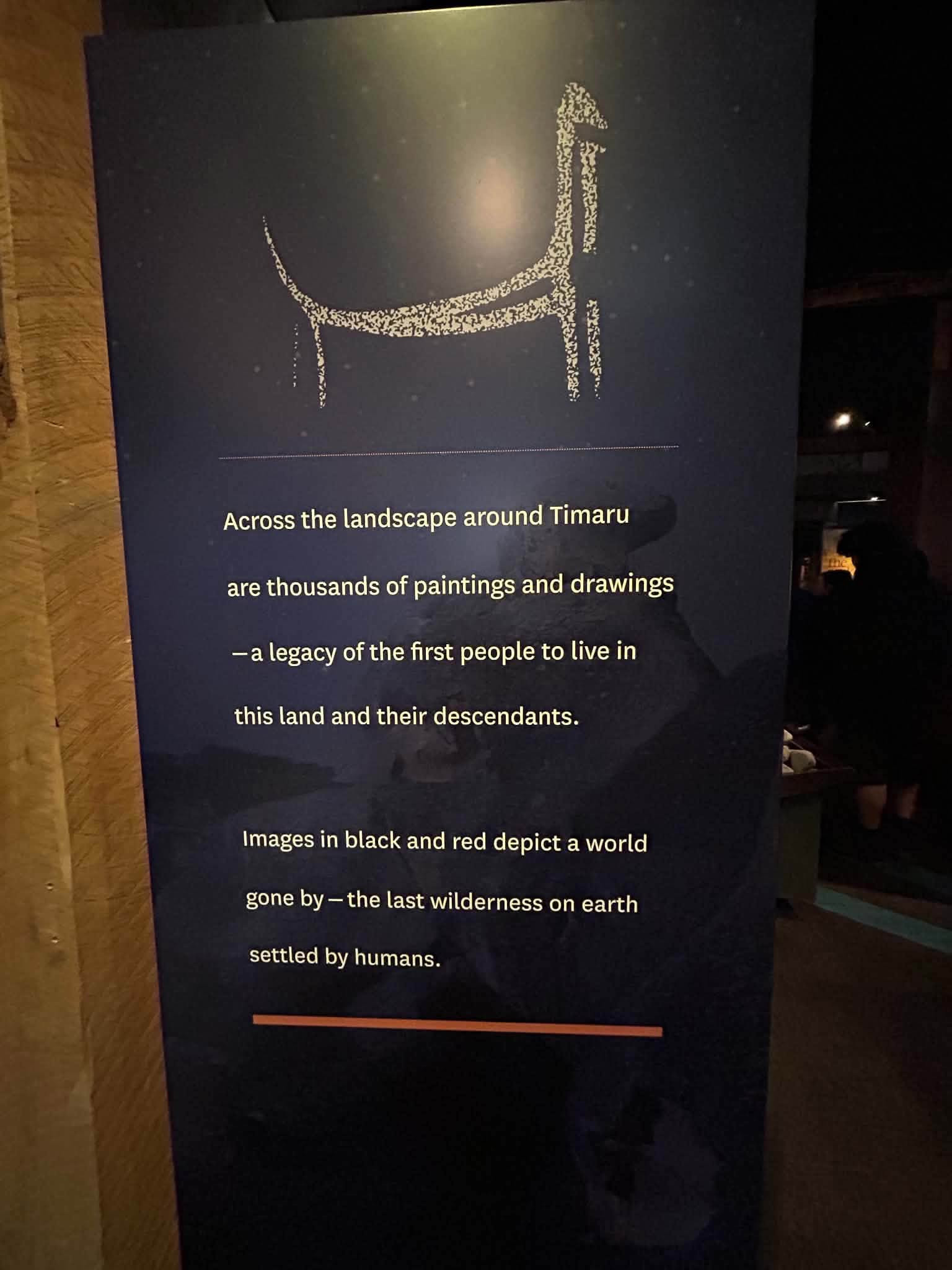
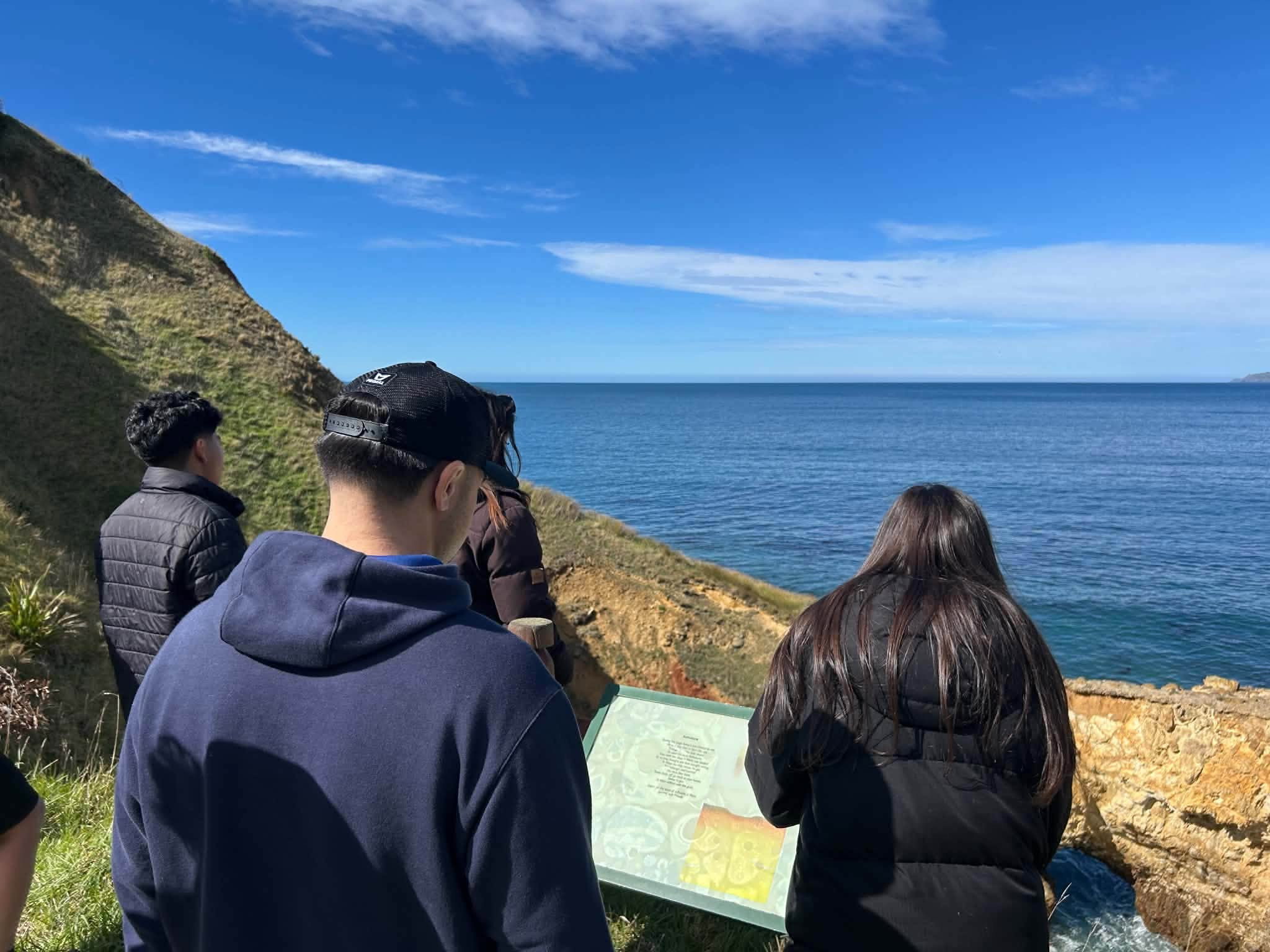
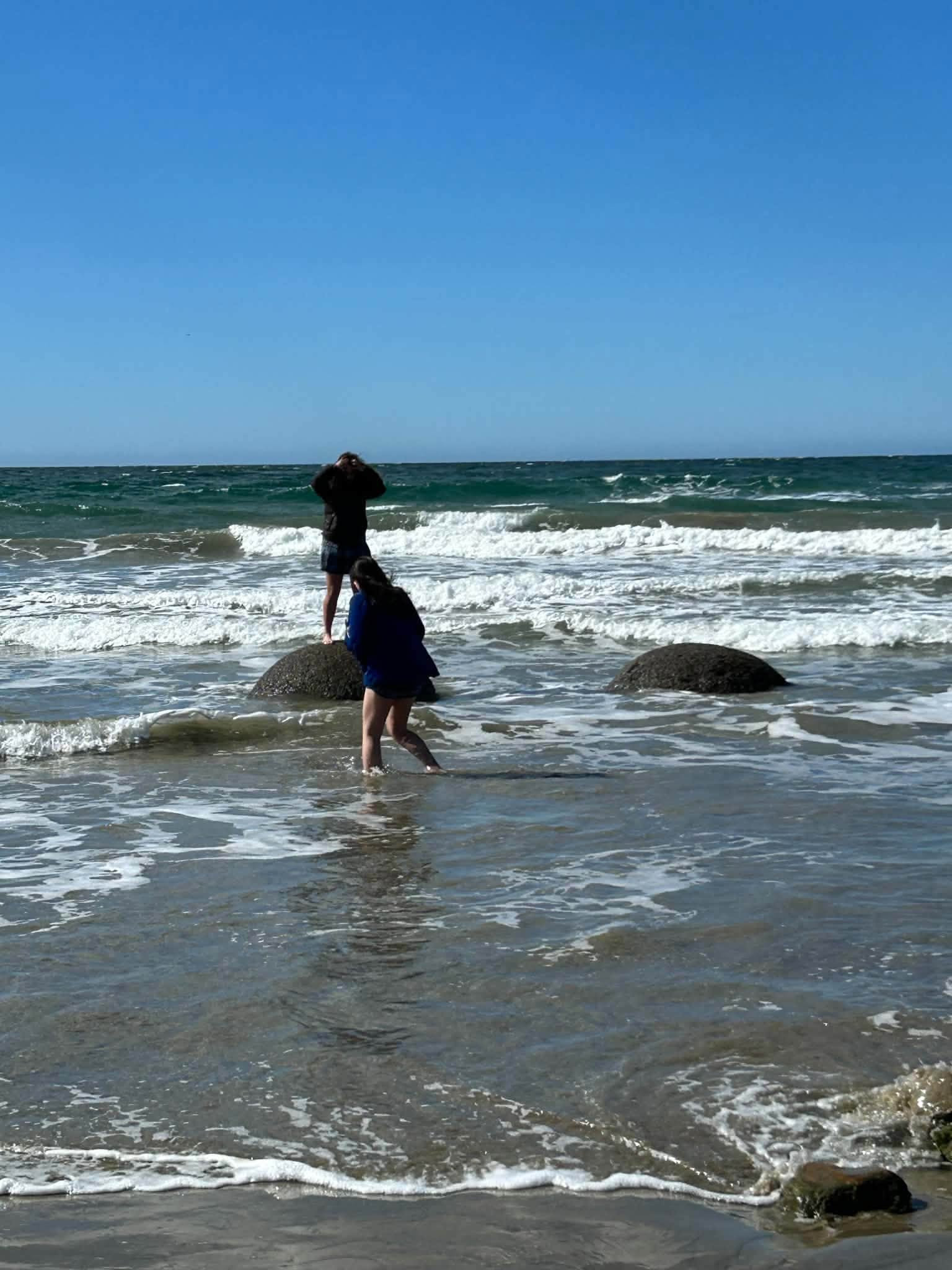
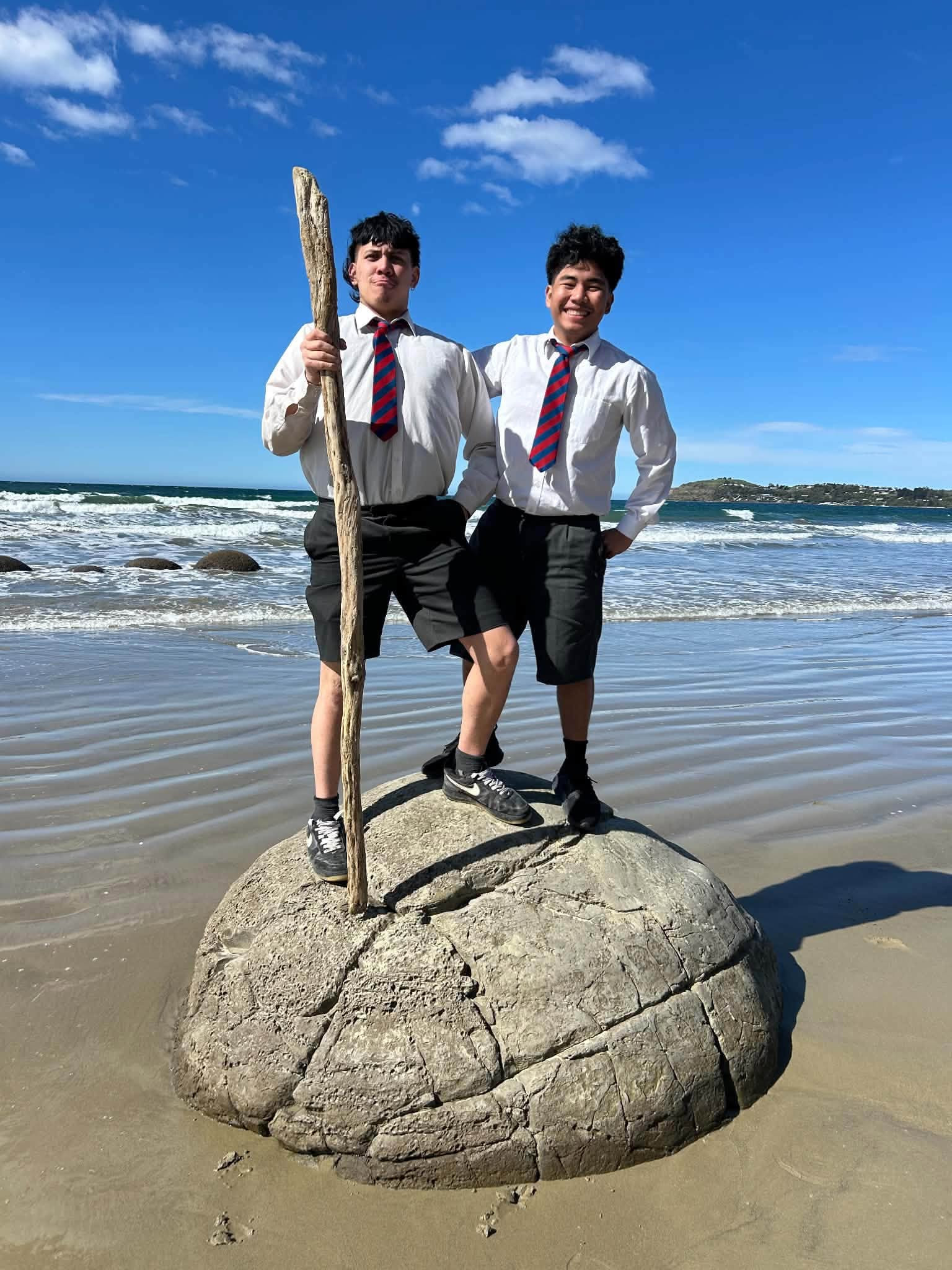
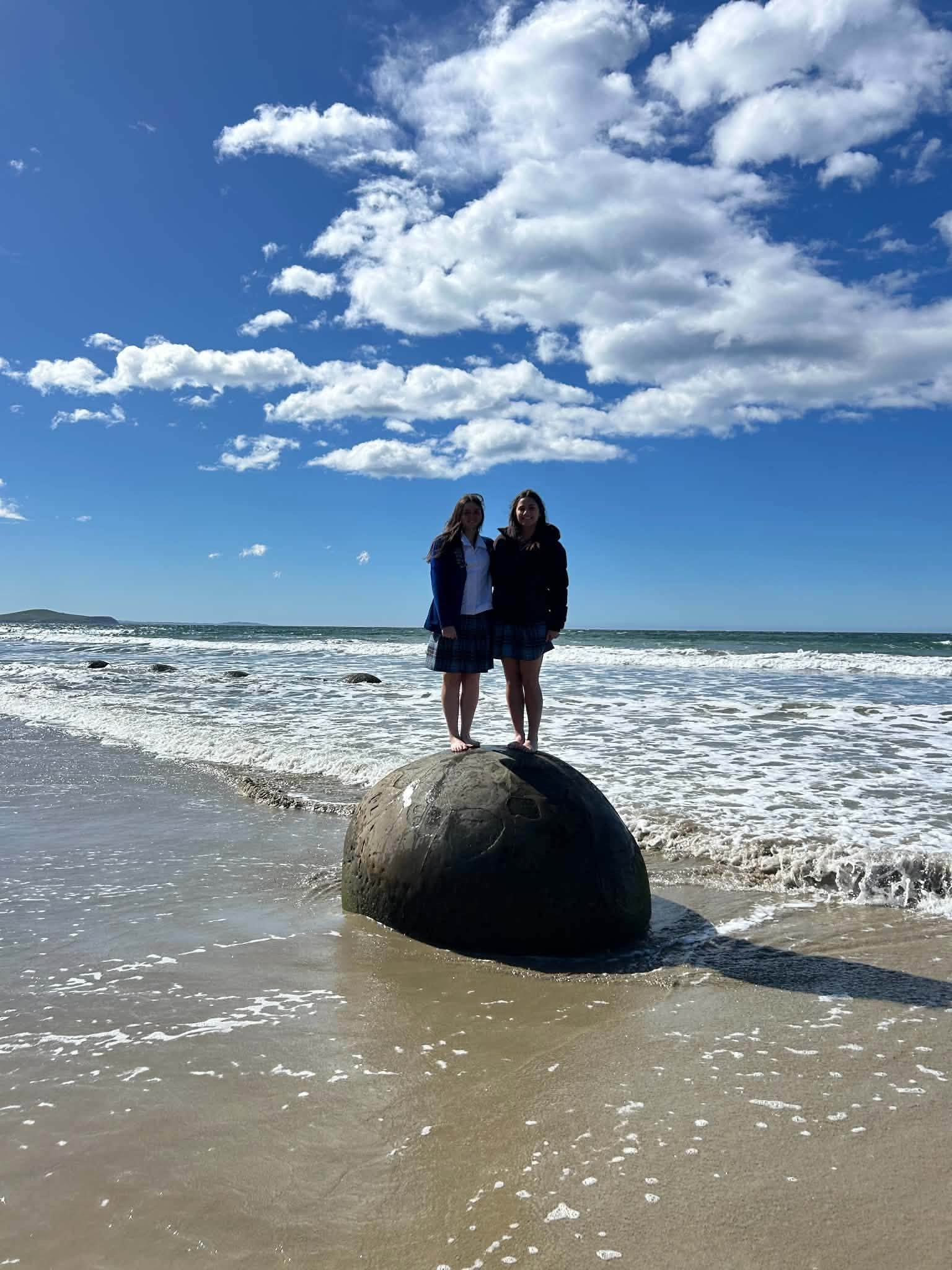
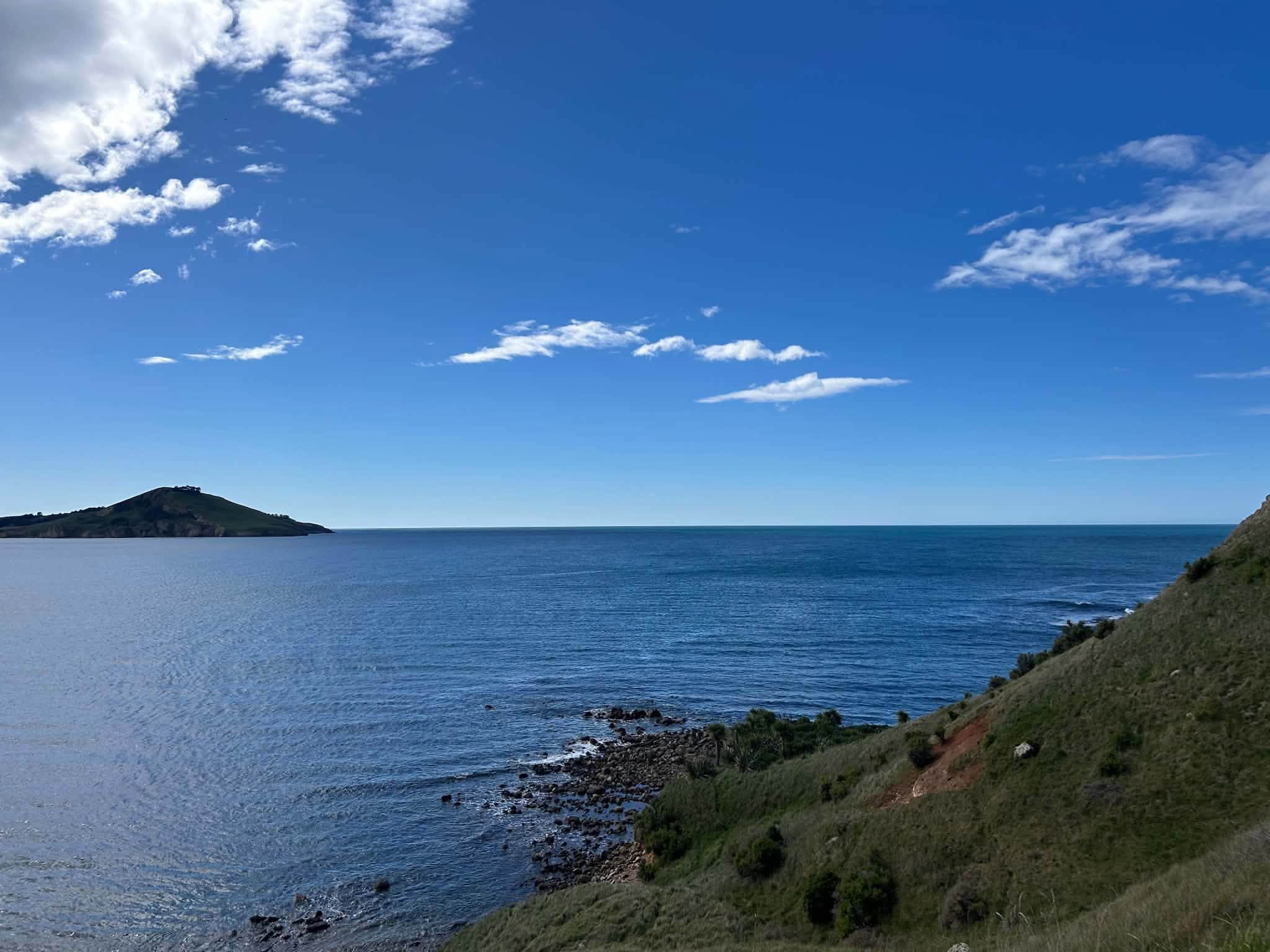
On the way they stopped off at Rongo Rock in Ōtepoti, Huriawa Pā in Karitane and Kaikīnaki (Moeraki Boulders) They stayed in Te Maru/Te Tihi-o-Maru (Timaru) and went to a Māori Rock Art site and then watched the kororā (Little Blue Penguins) come to shore.
They have been learning about all the Māori narratives and history as they travelled up Te Tai o Araiteuru (The coastal area of Otago).
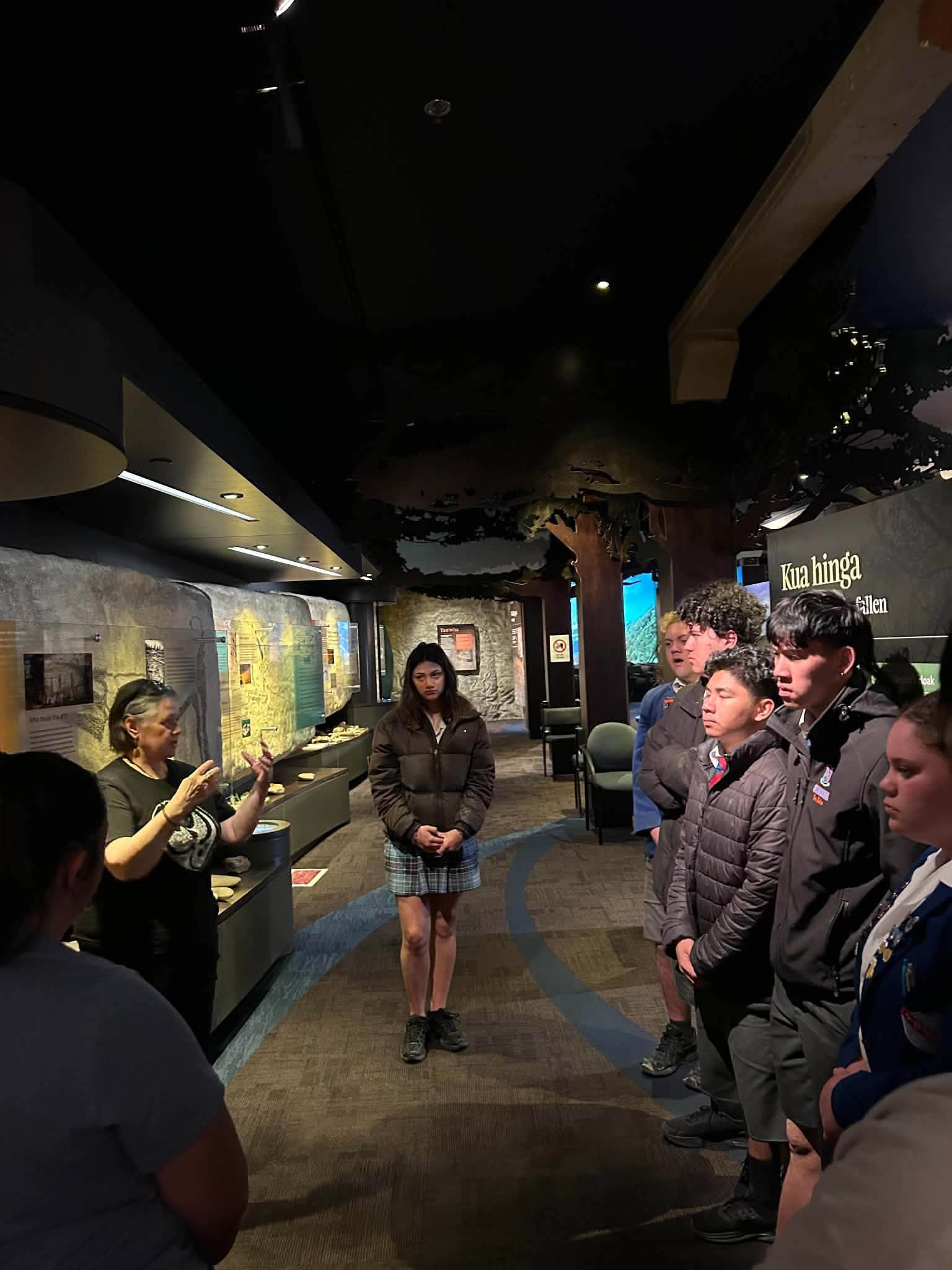
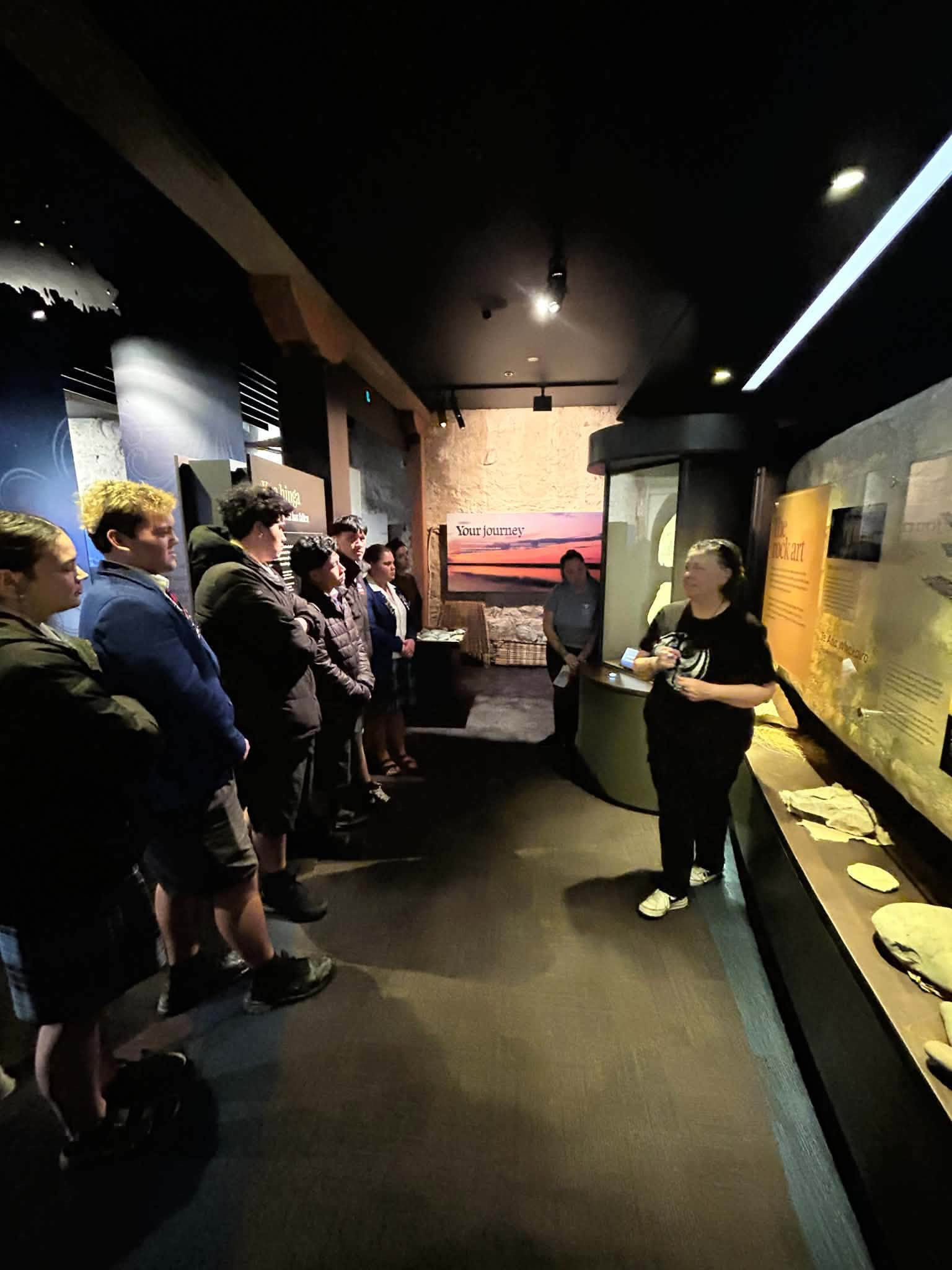
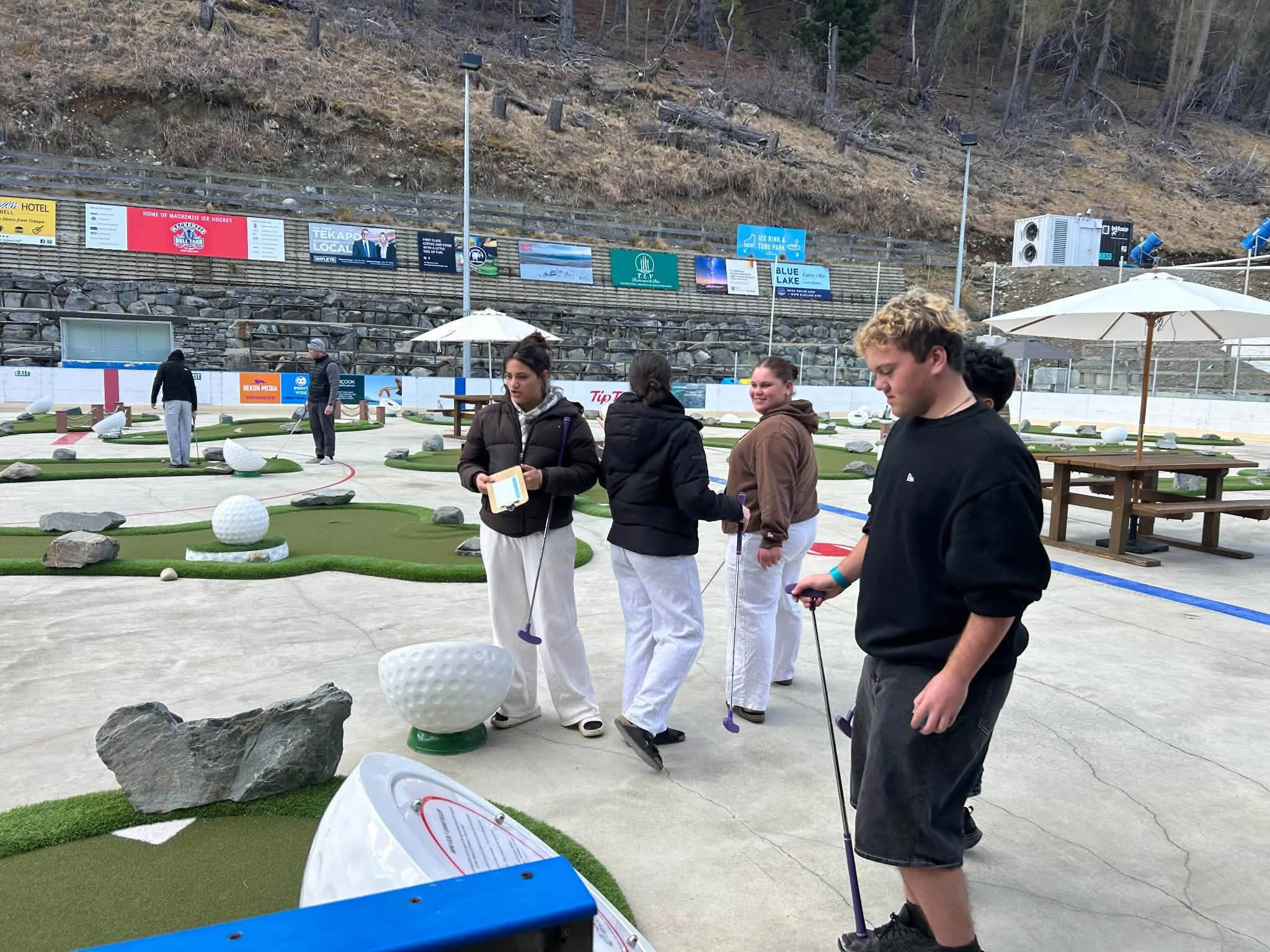
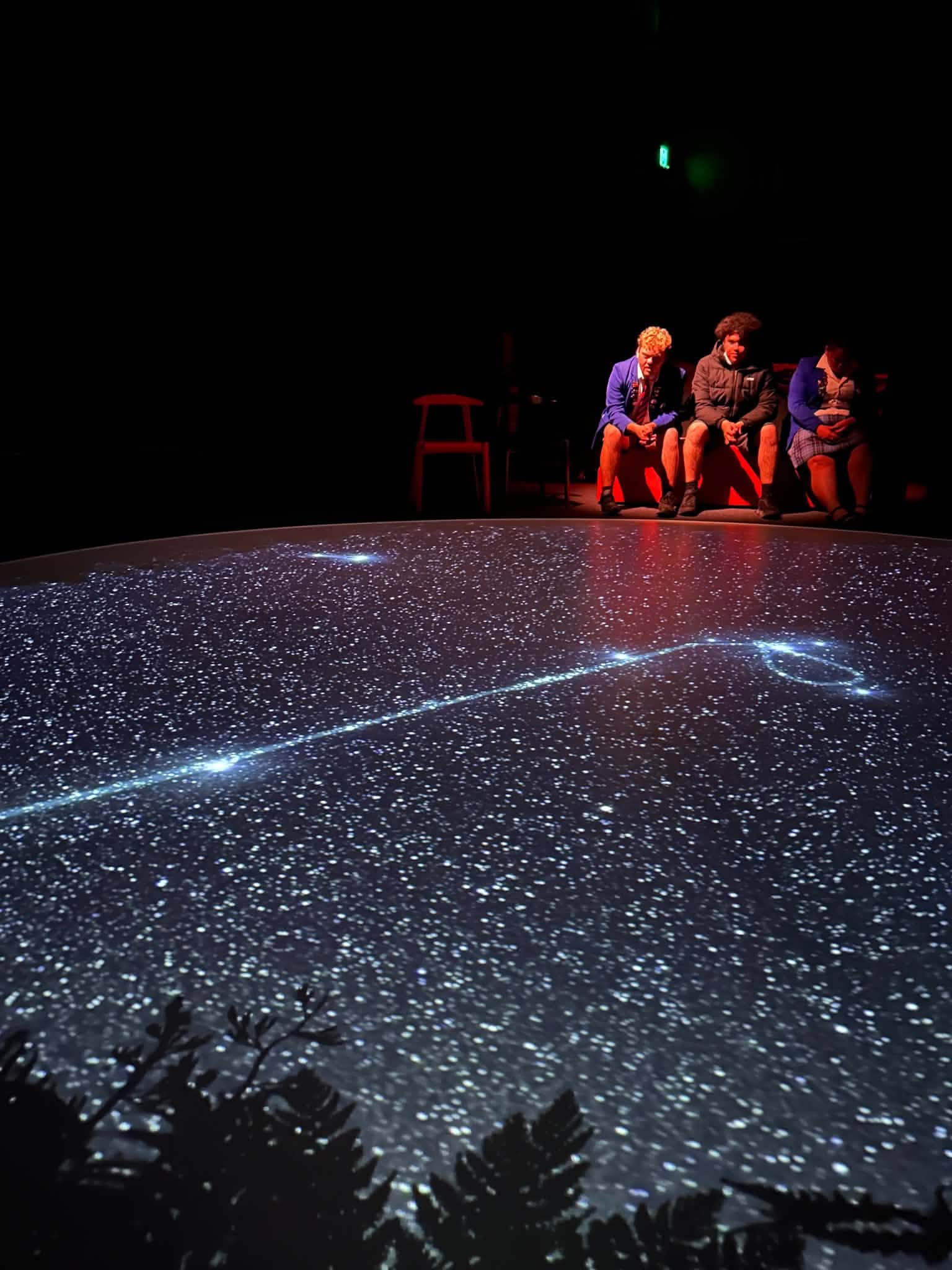
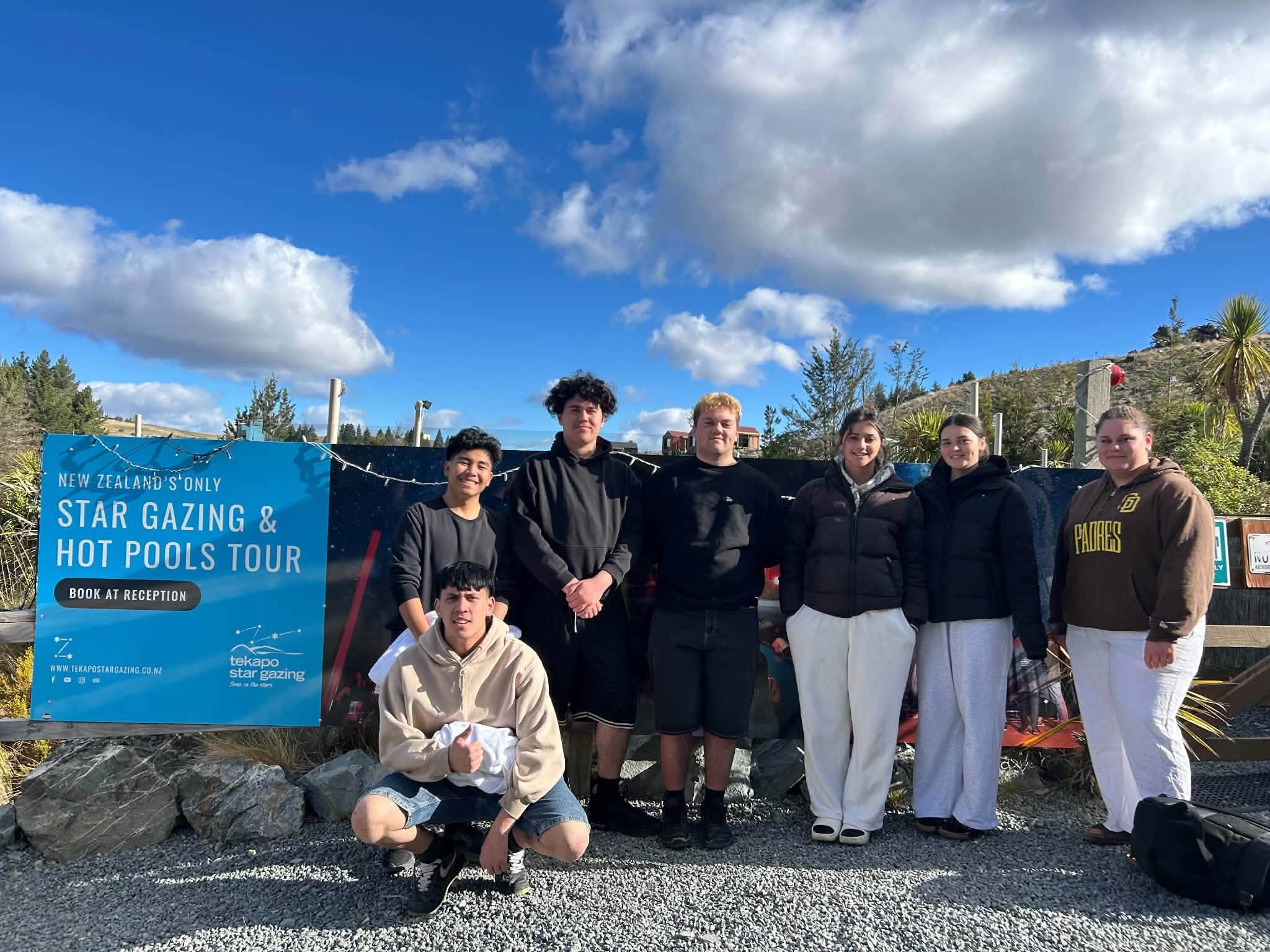
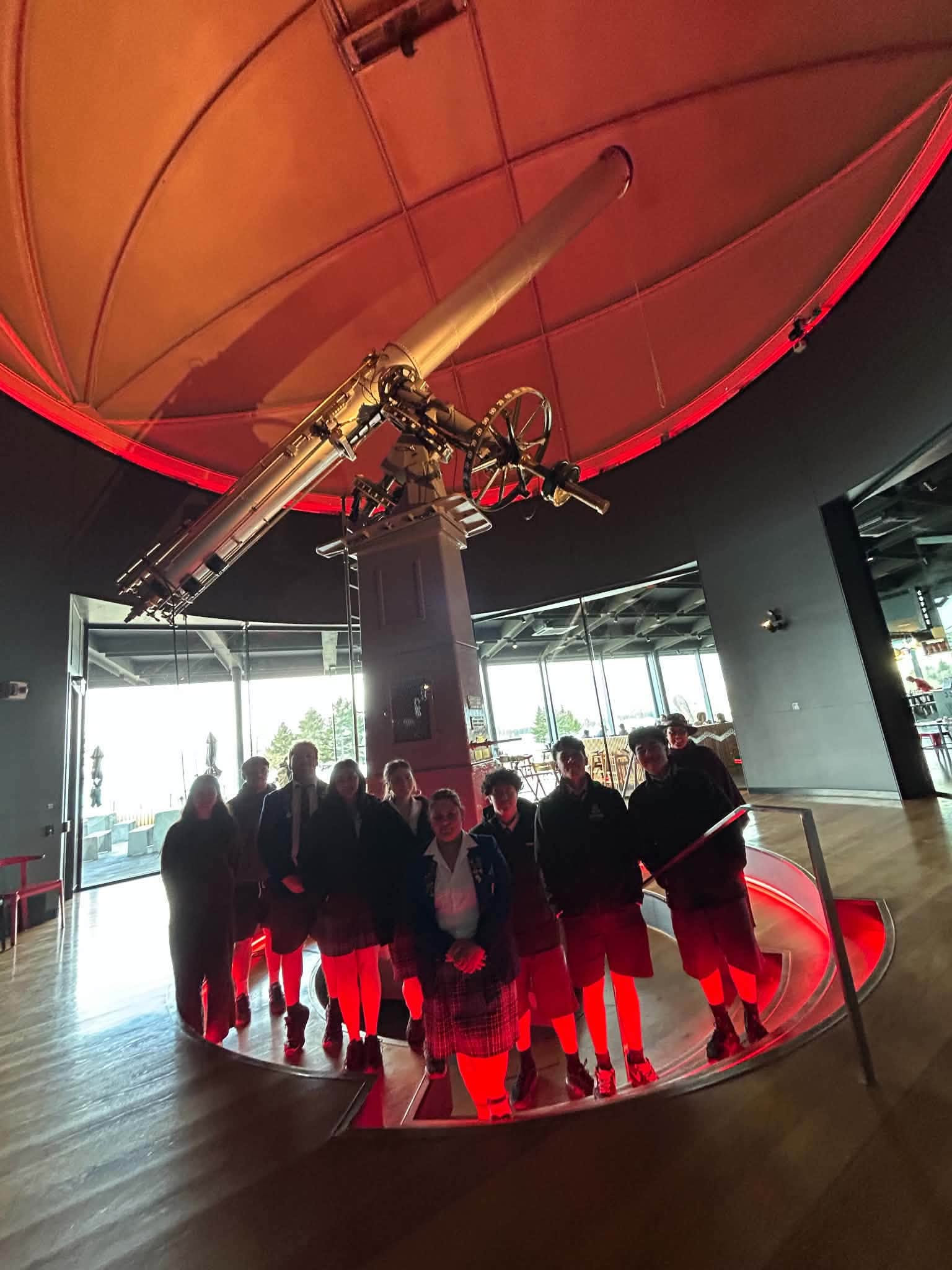
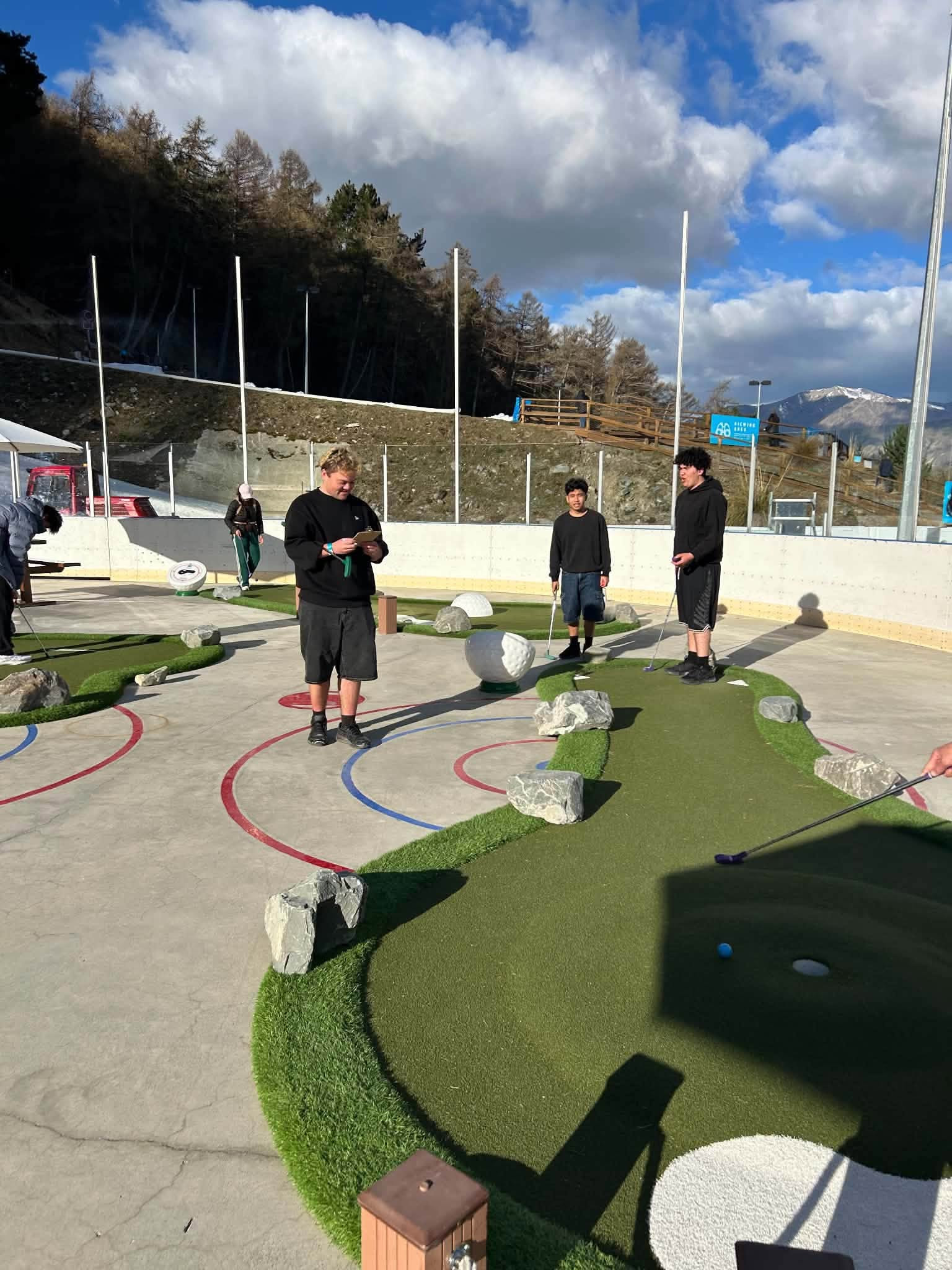
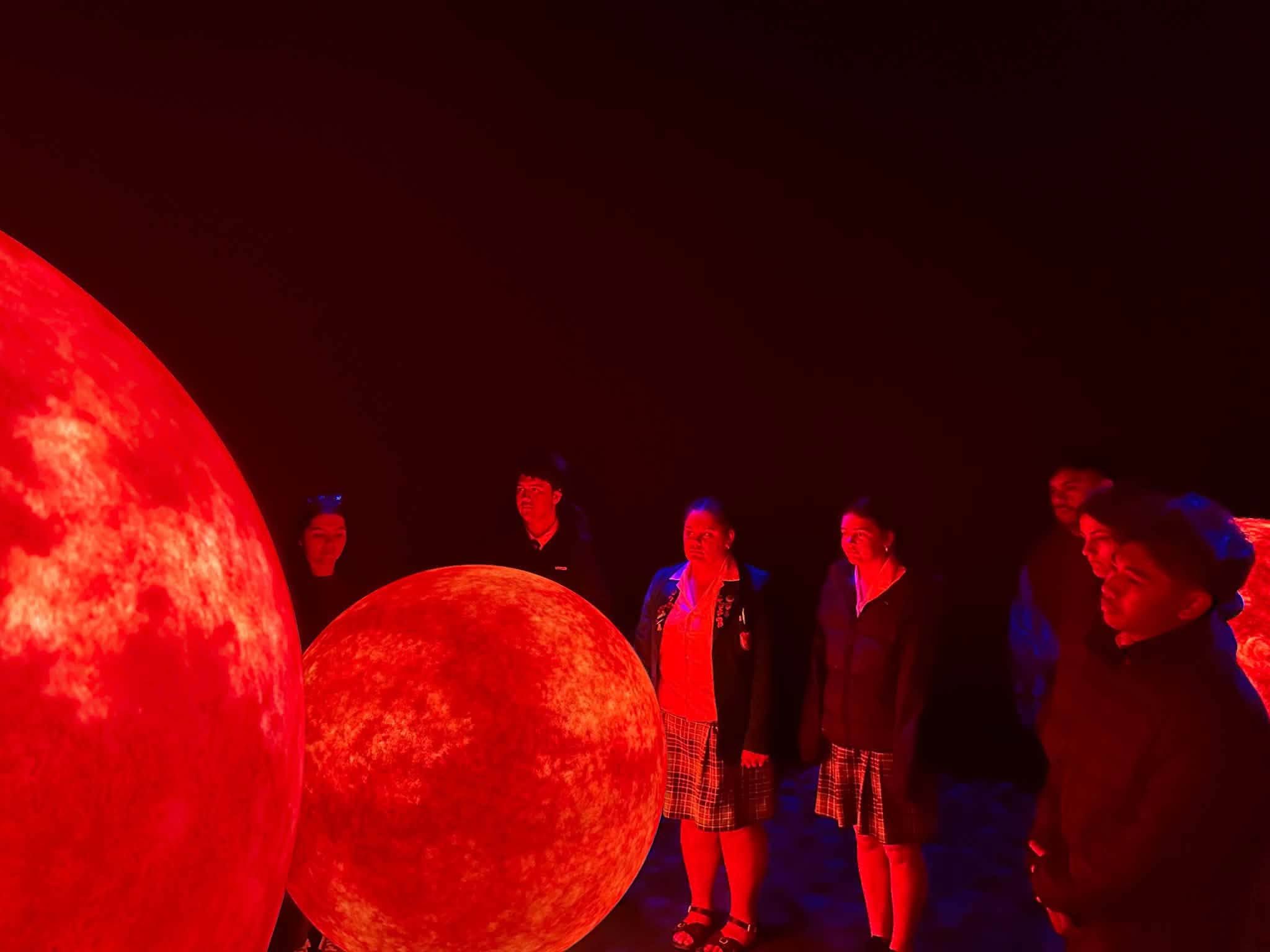
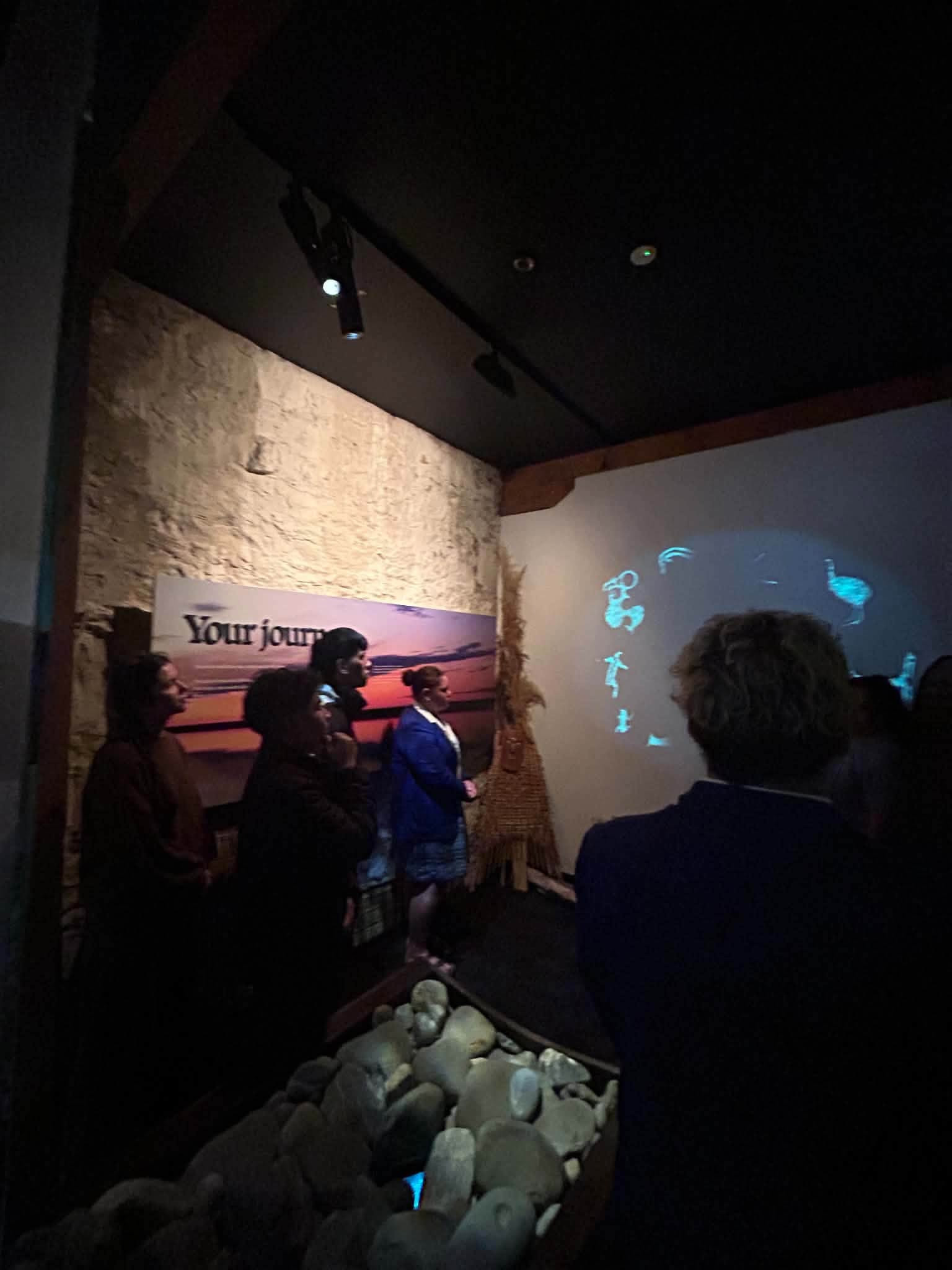
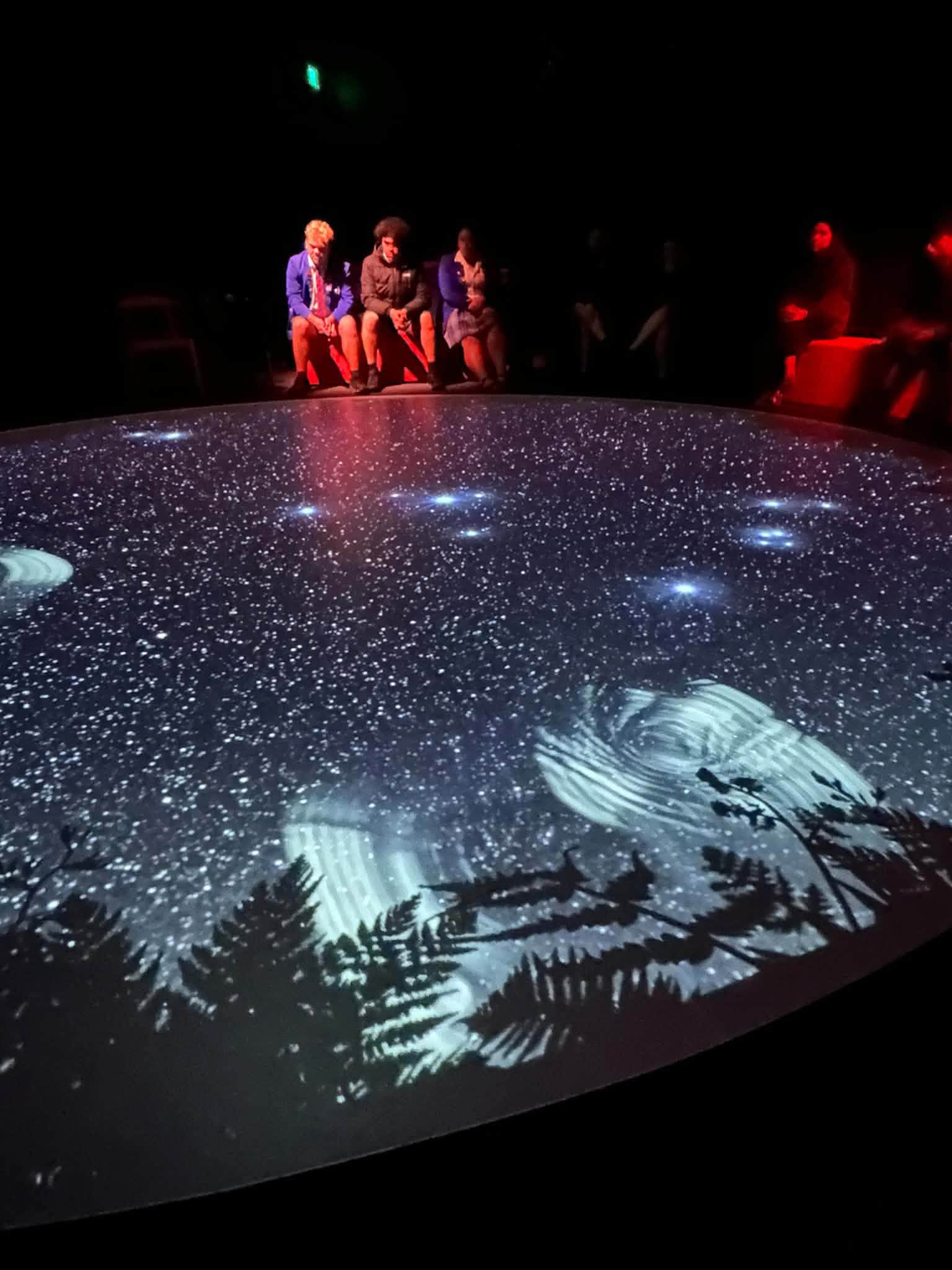
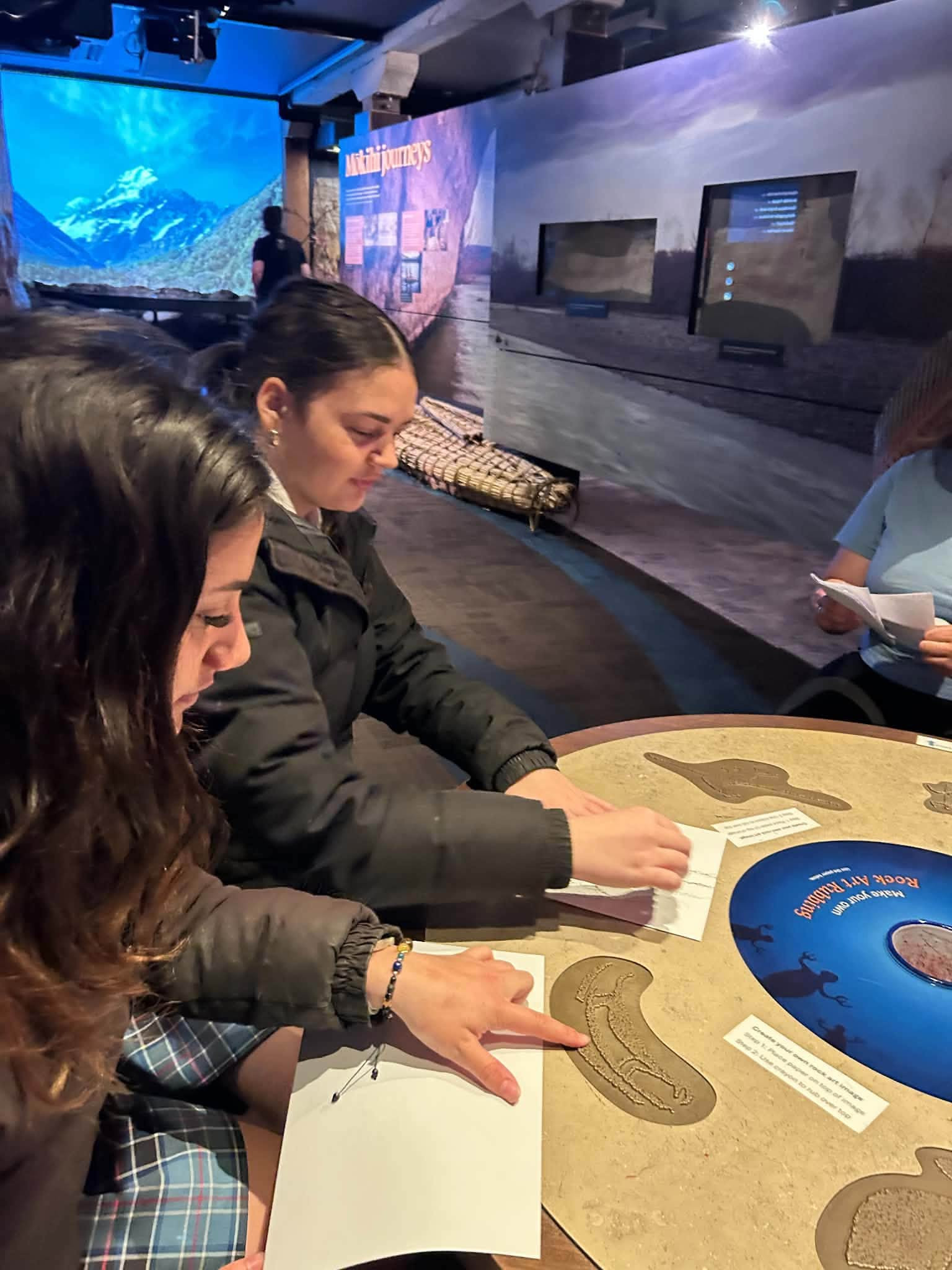
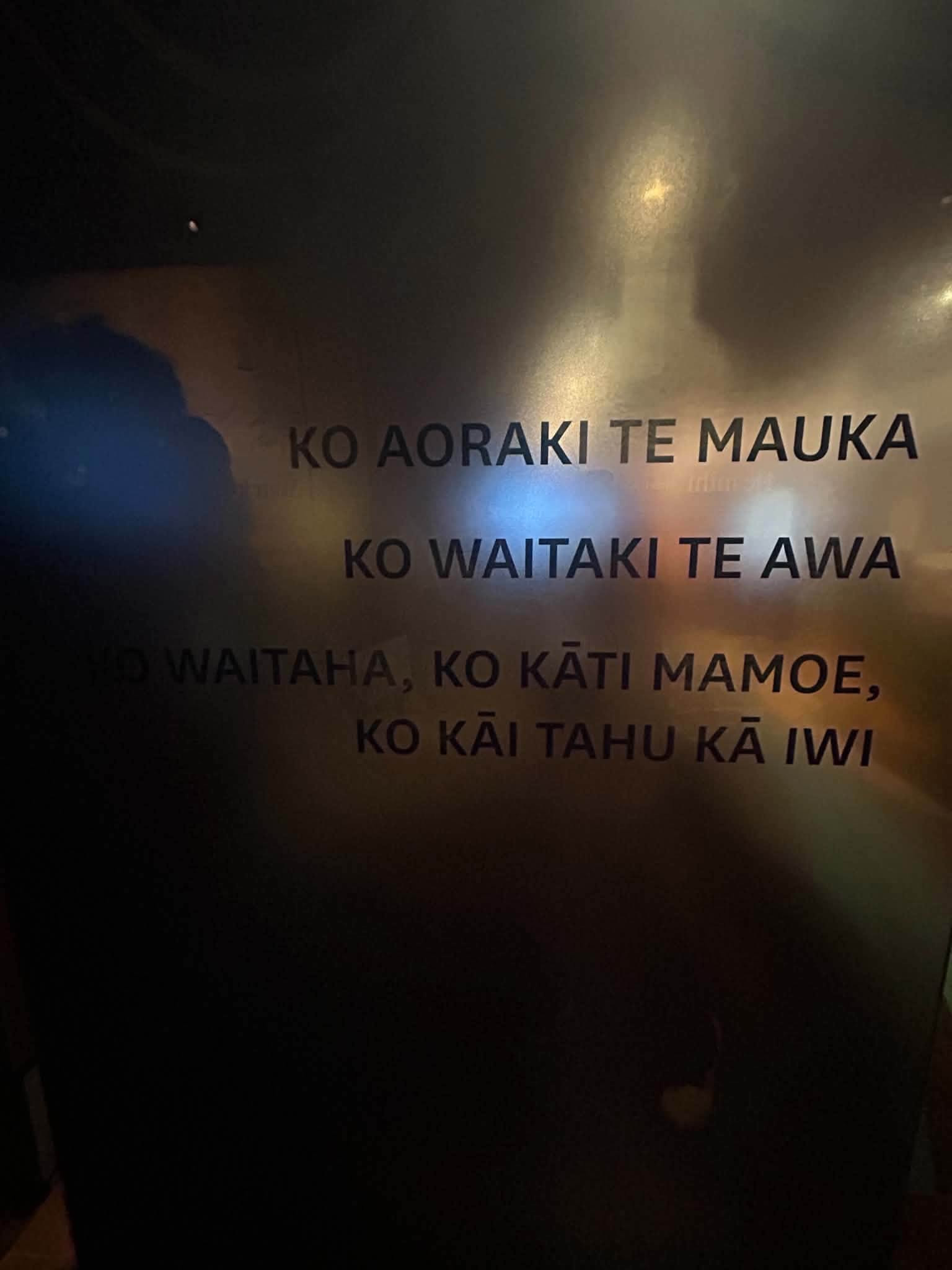
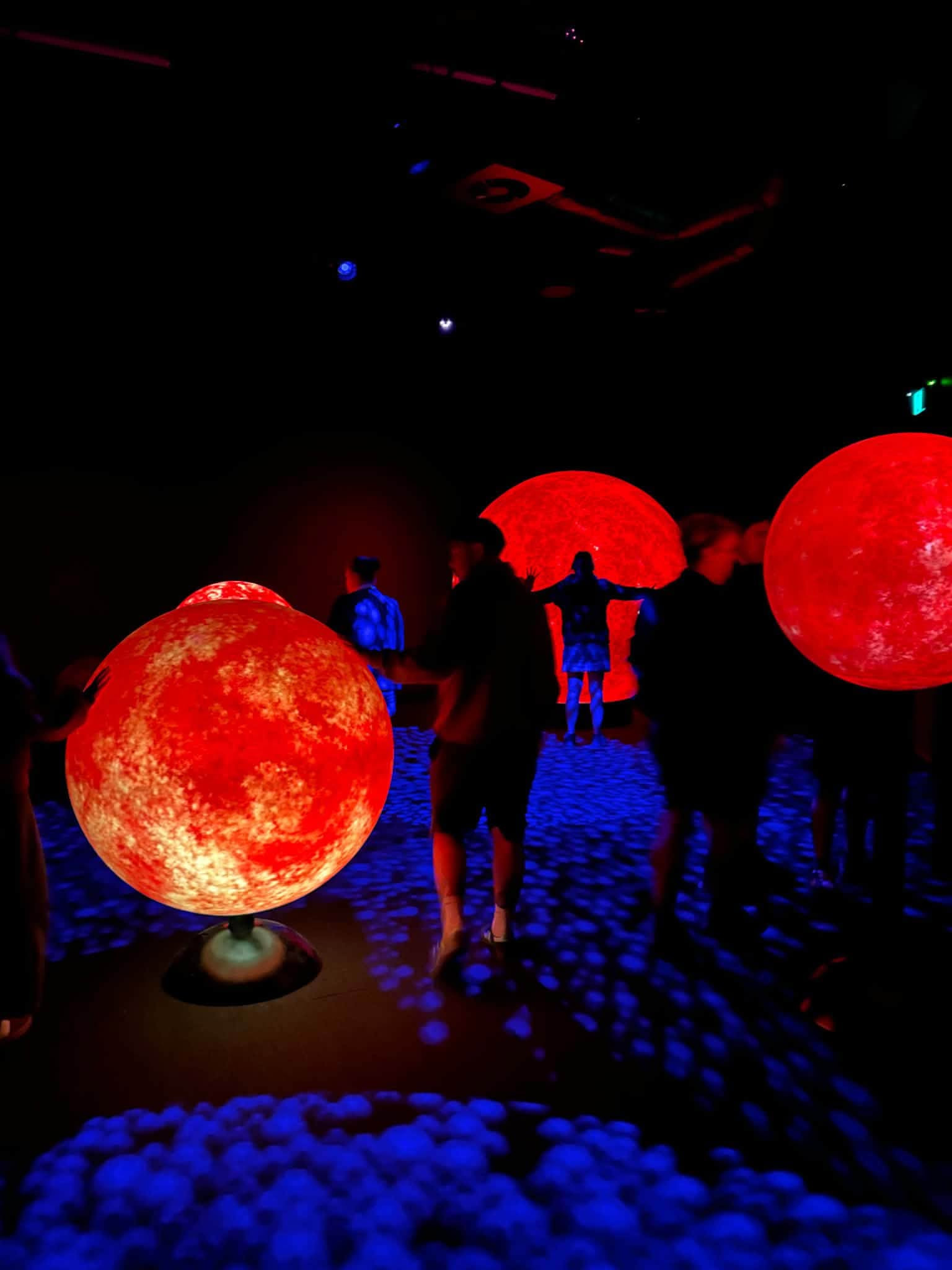
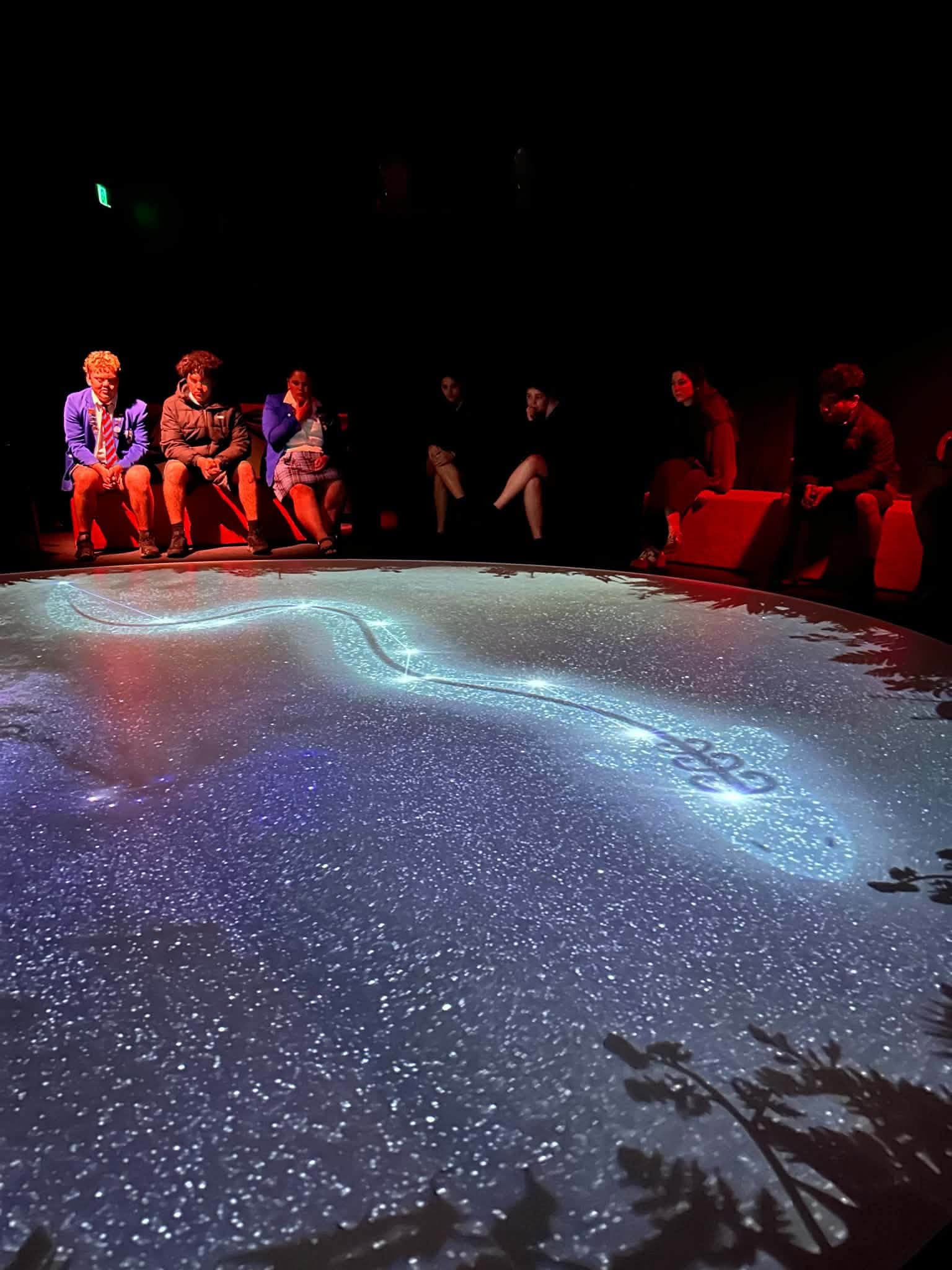
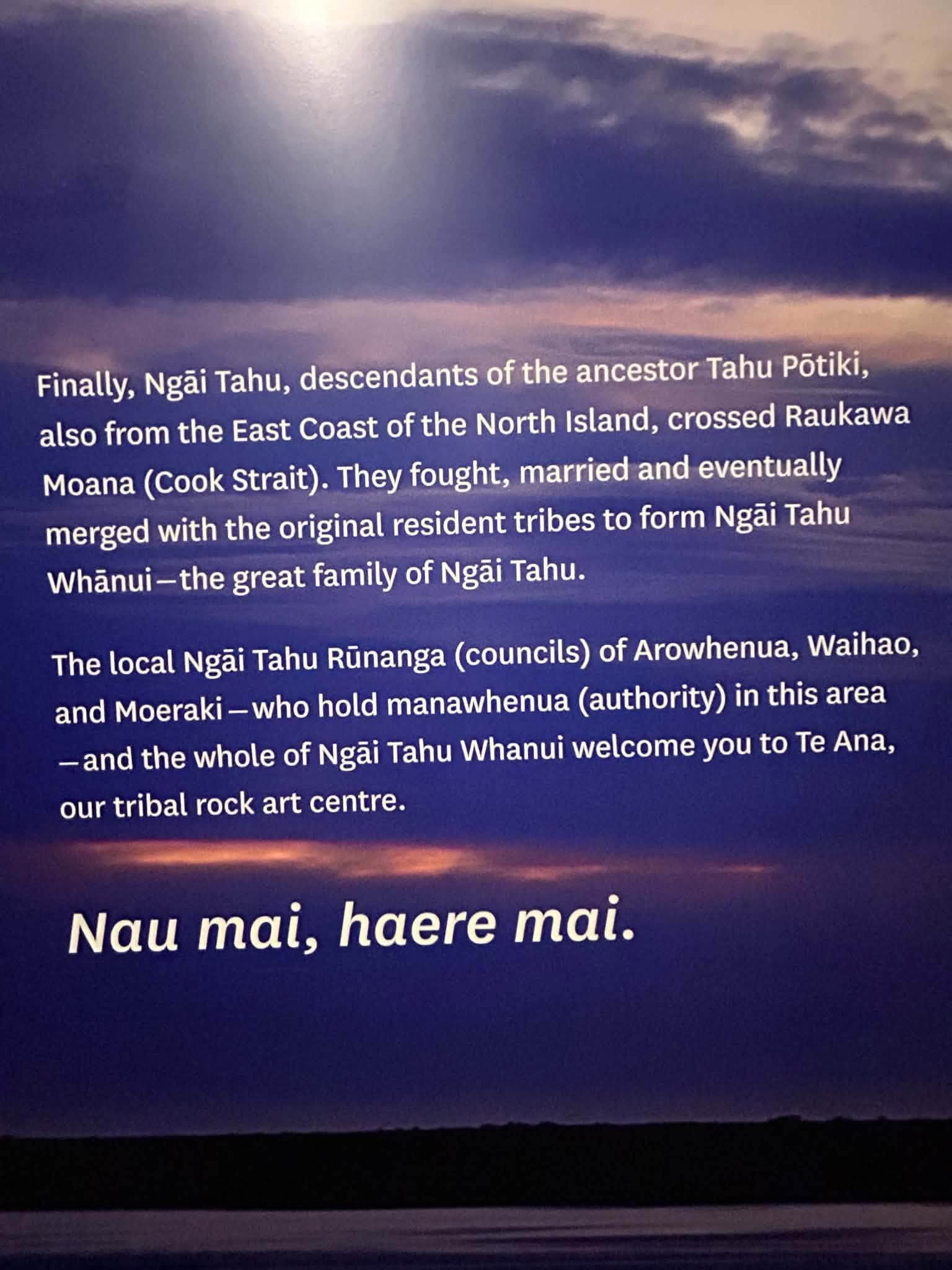
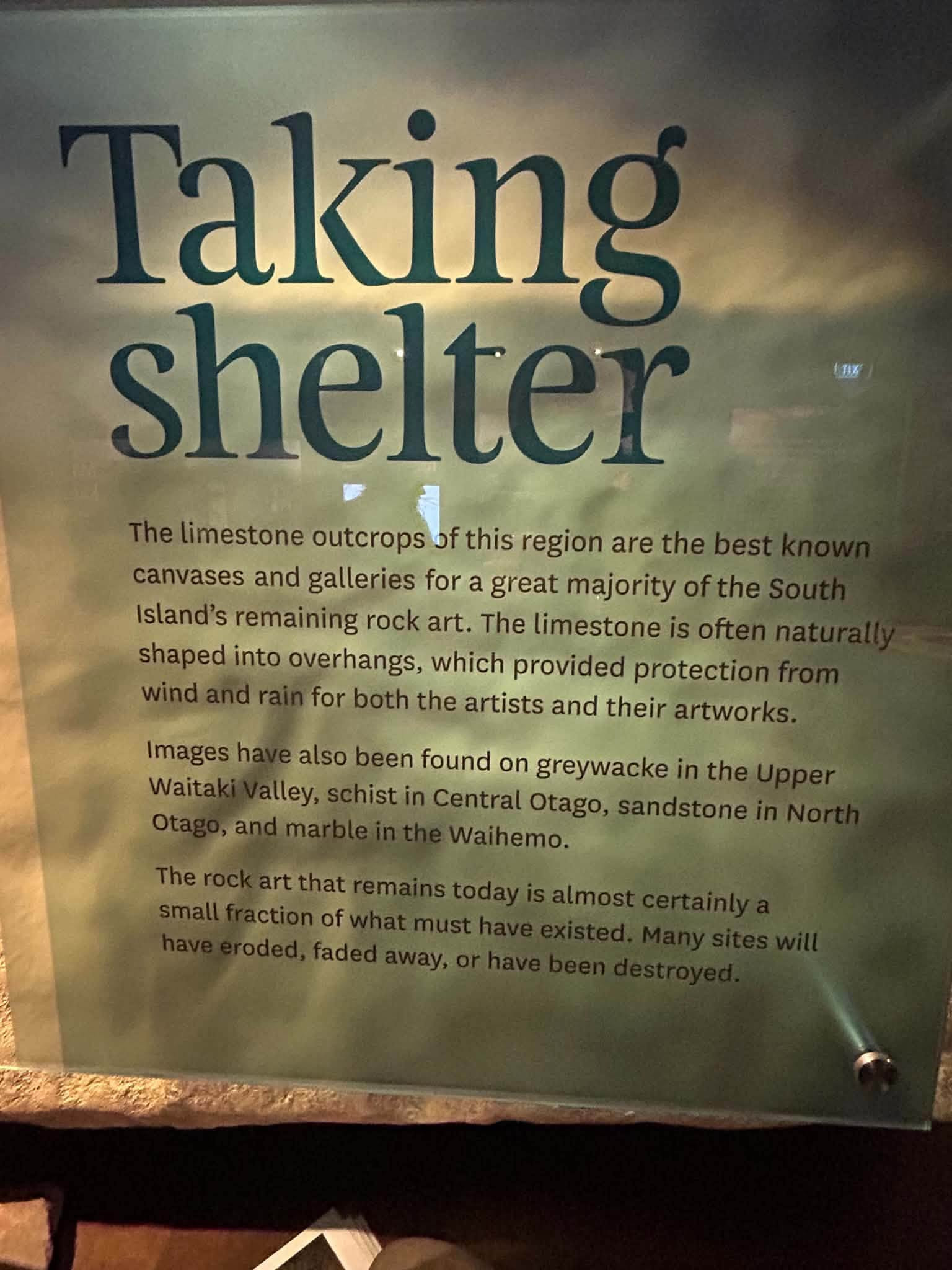
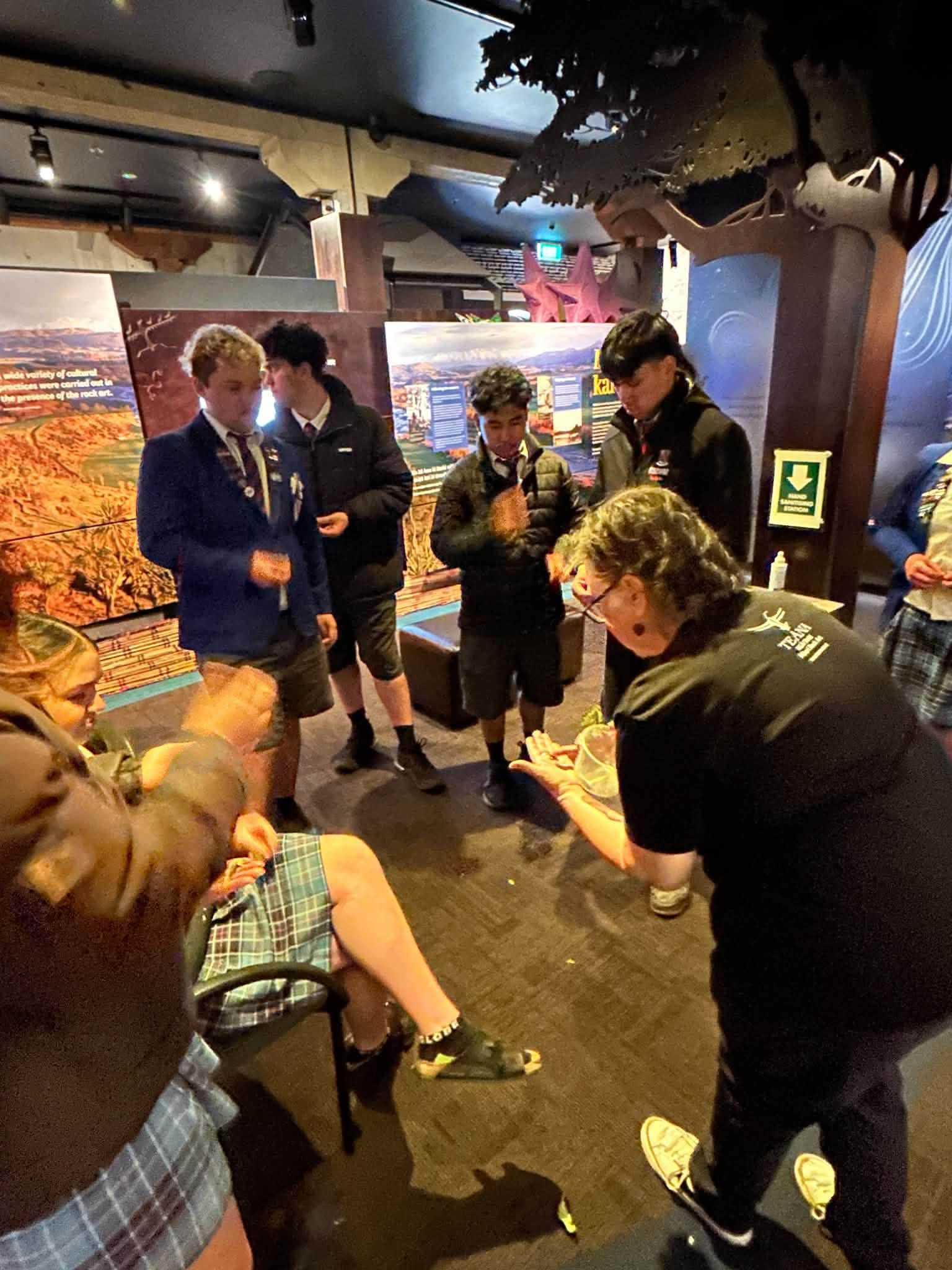
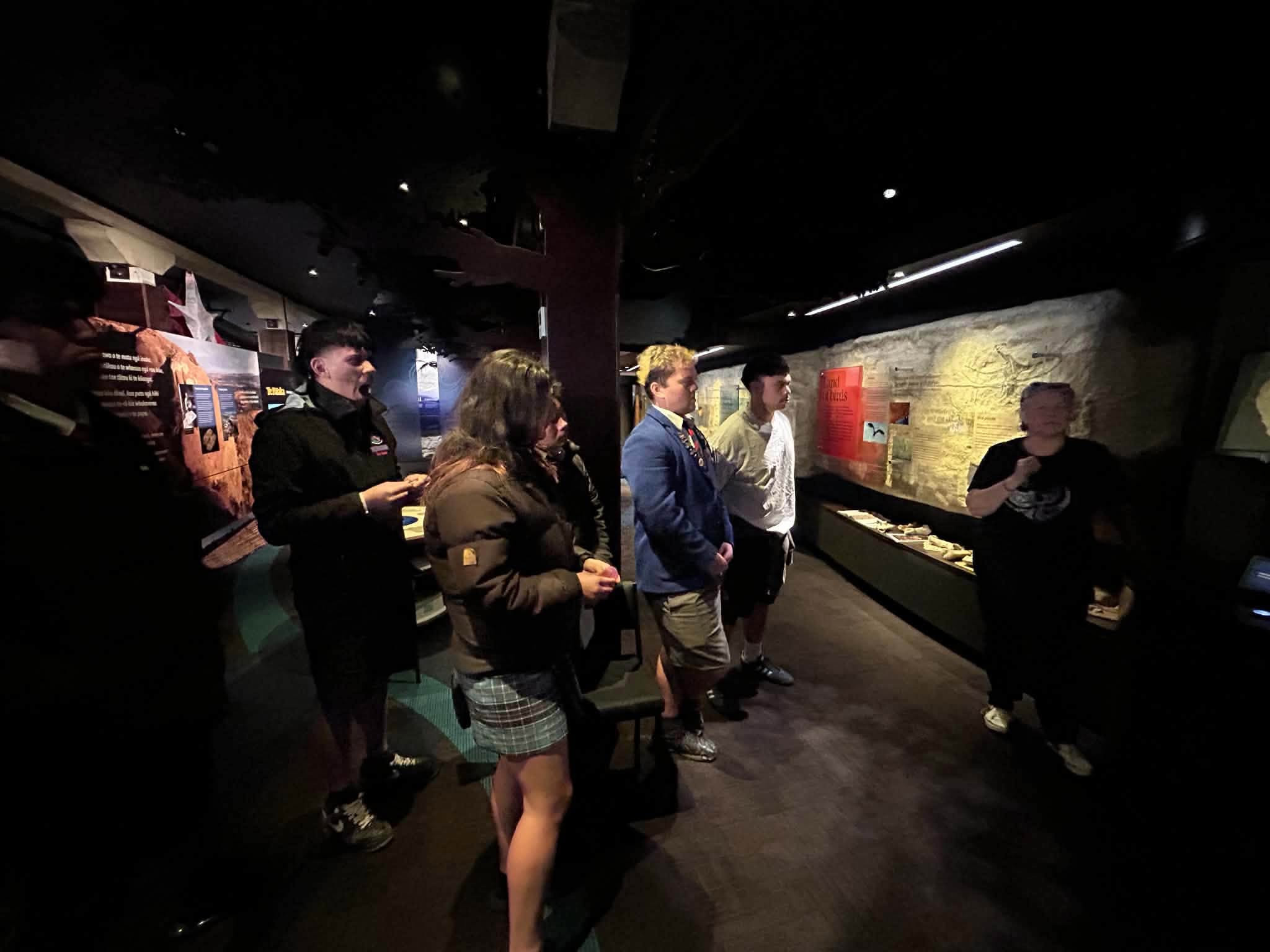
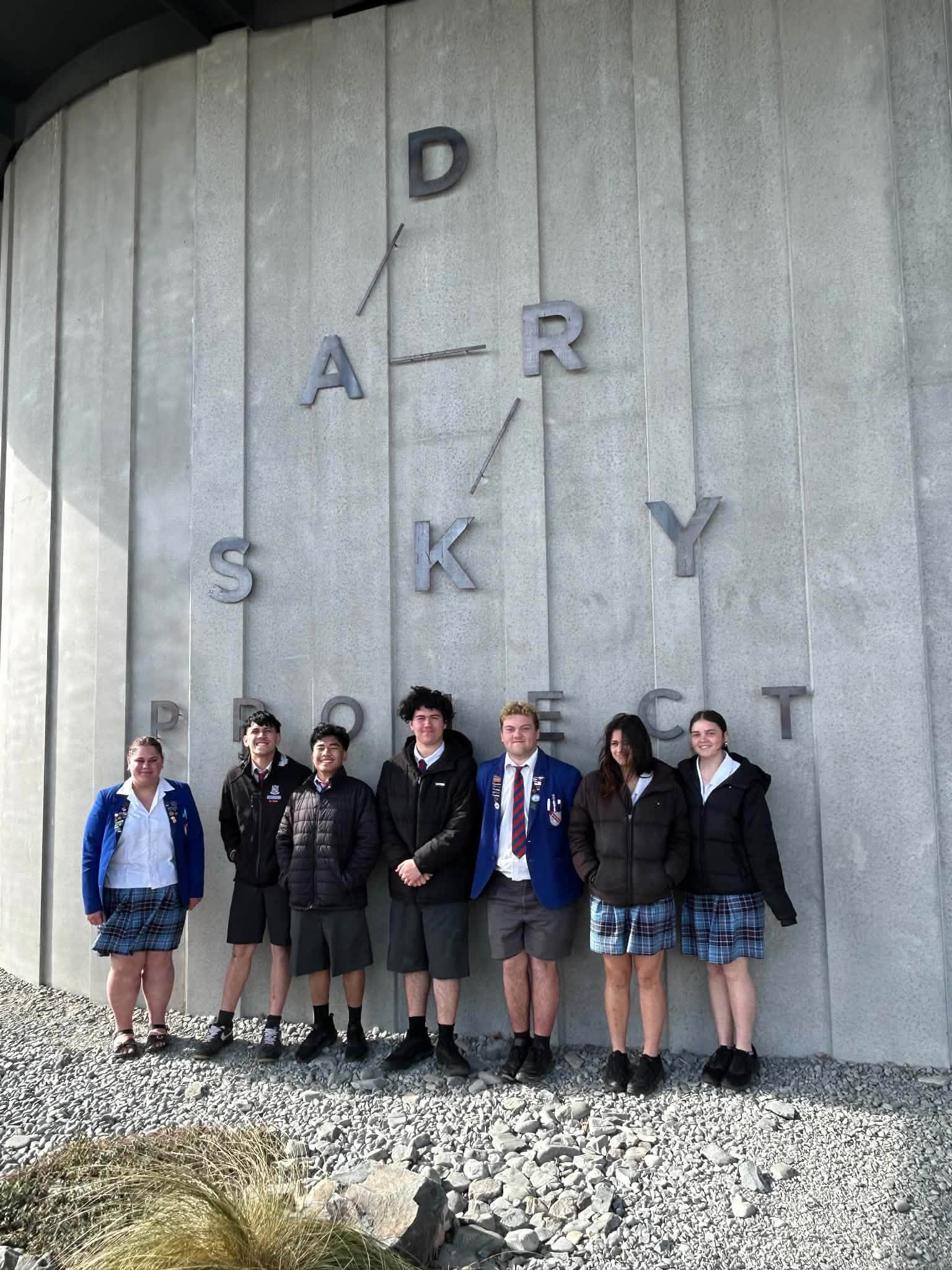
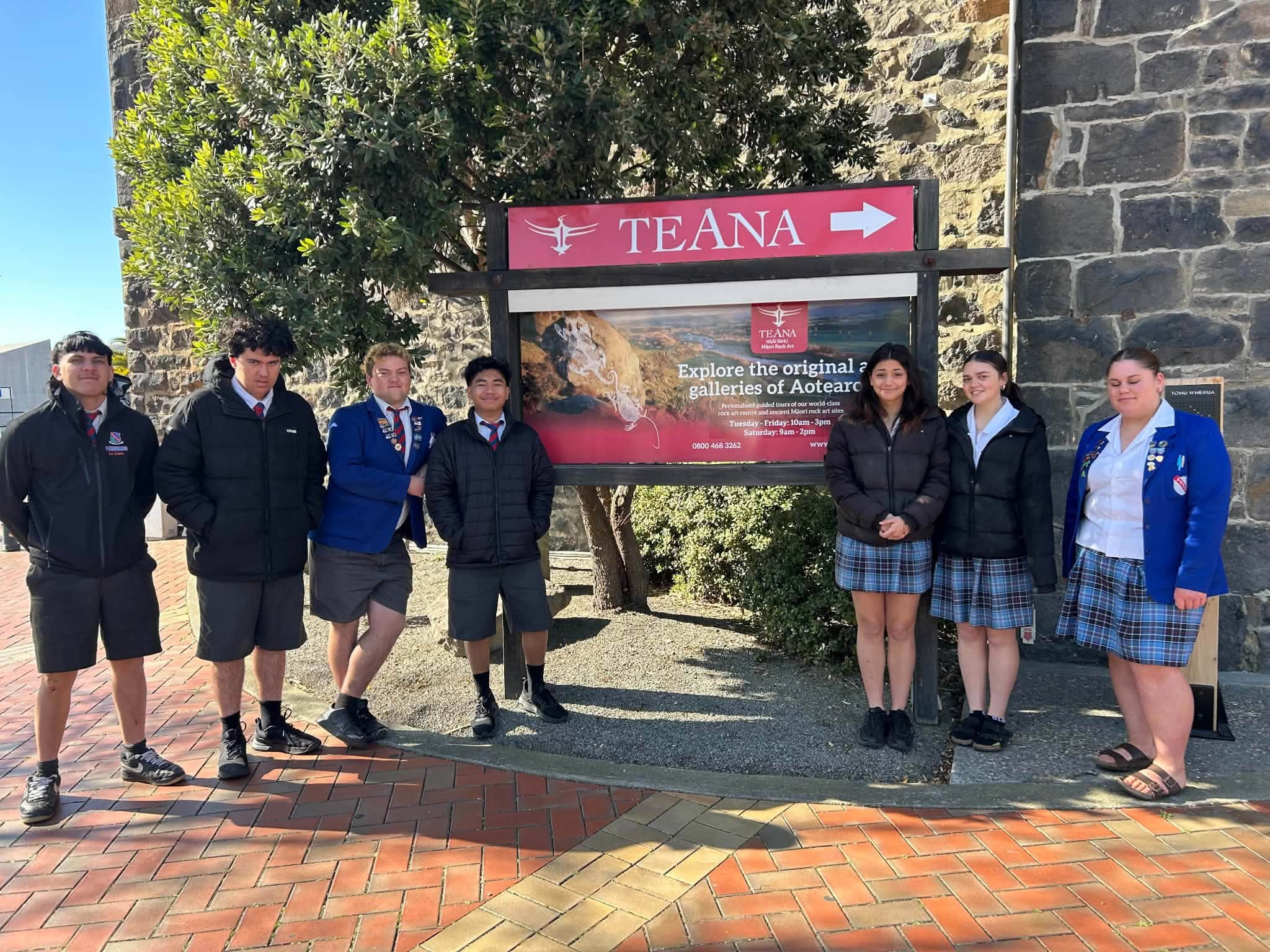
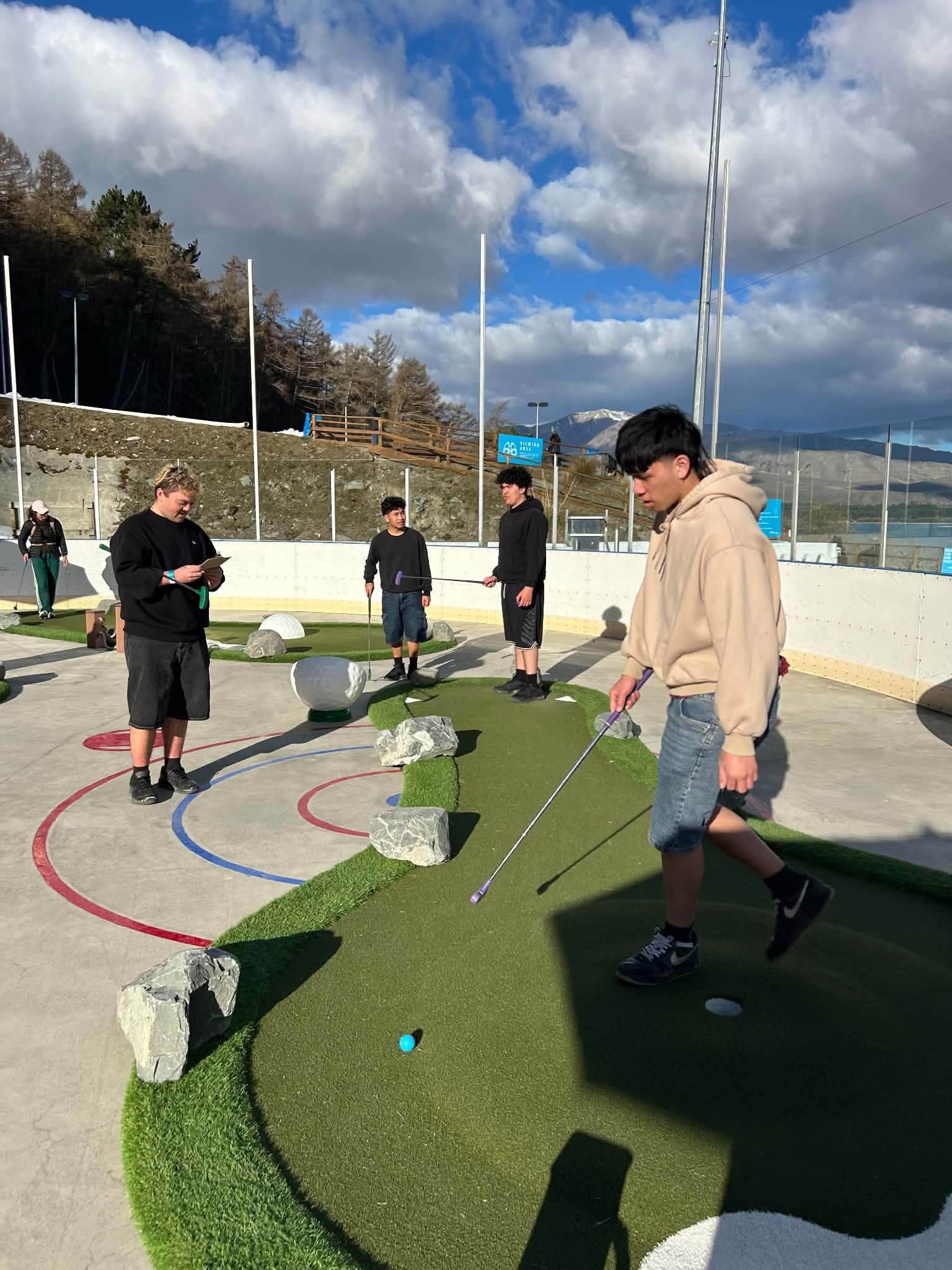
On Wednesday 23 September they went to Te Ana Māori Art Rock Museum and then travelled through to Takapō to experience the Dark Sky Project. The Dark Sky Experience combines Māori astronomy , storytelling and science with fascinating multimedia installations. They finished off the day with going to the Tekapo Hot Springs and played mini golf.
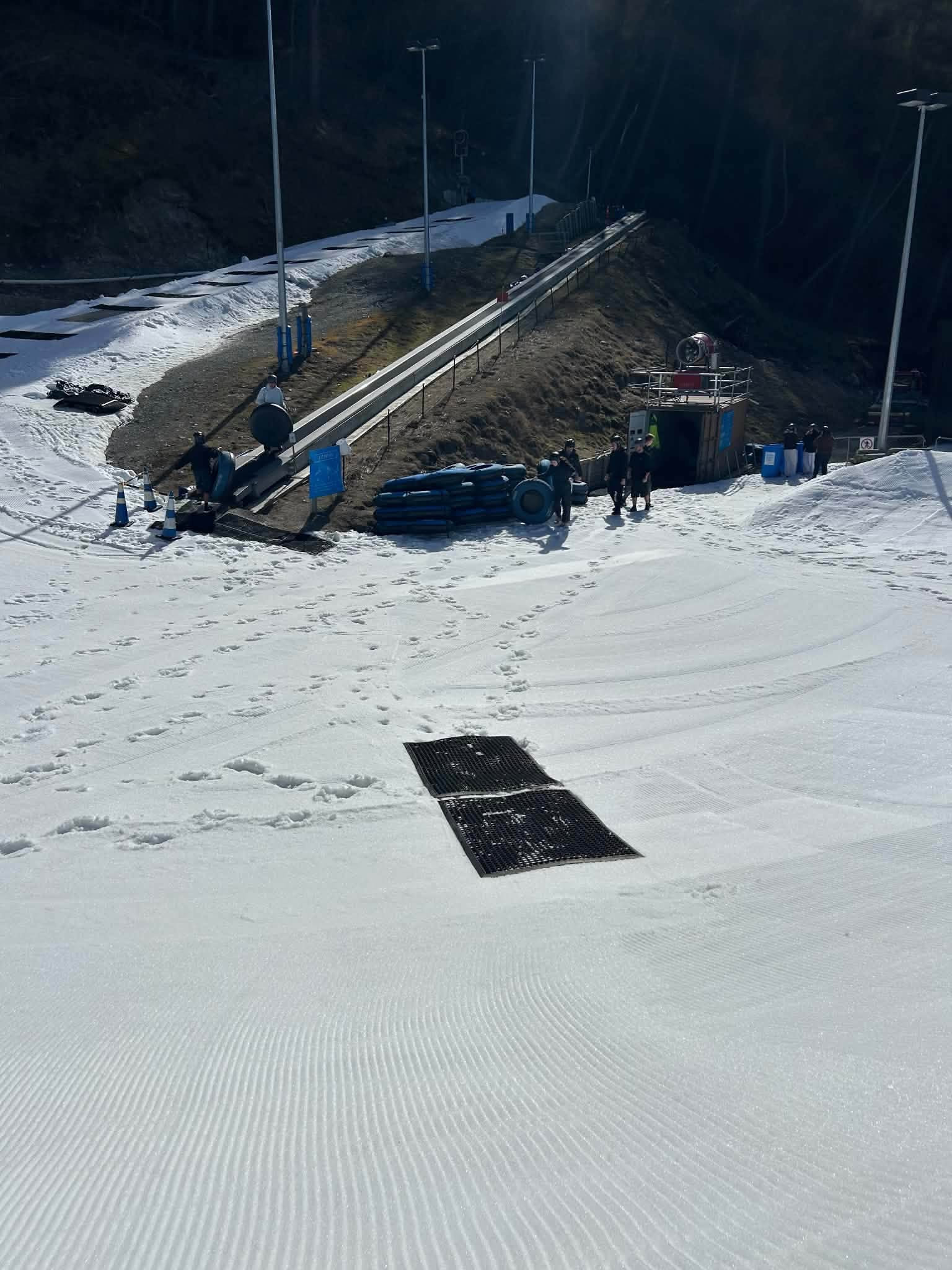
On Thursday 24 September we went Snow Tubing and headed back home to Iwikatea following the Mata-Au.
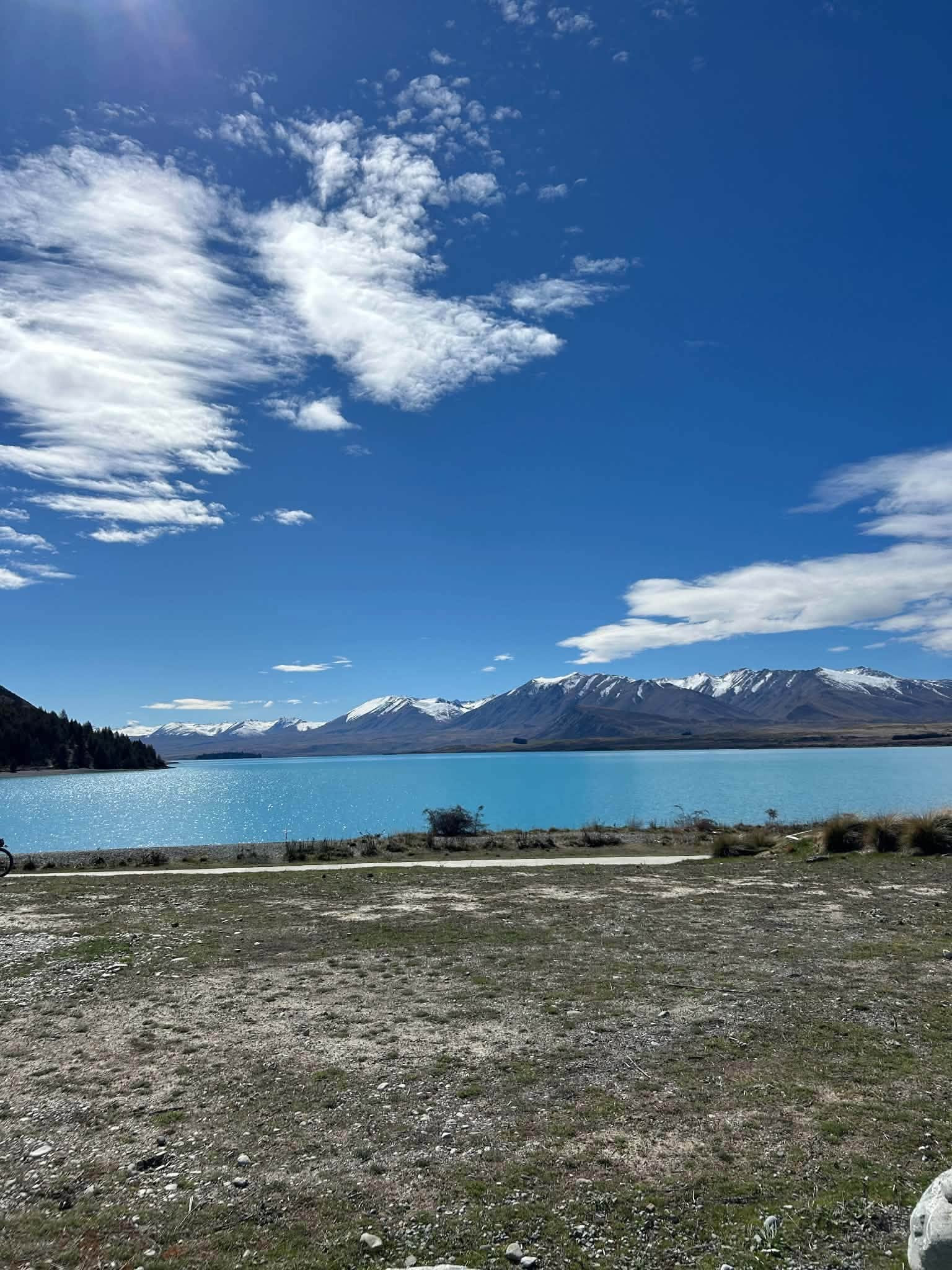
The traditional Māori name for Lake Tekapo is Takapō, which means "to leave in haste at night".
The name breaks down into taka (to fall or set/sleeping mat) and pō (night), commonly interpreted as rushing off or leaving in the dark.
“Tekapo" is an English misspelling or corruption of the original Māori name, Takapō. Local authorities now use the dual name Takapō / Tekapo to respect the correct traditional spelling.
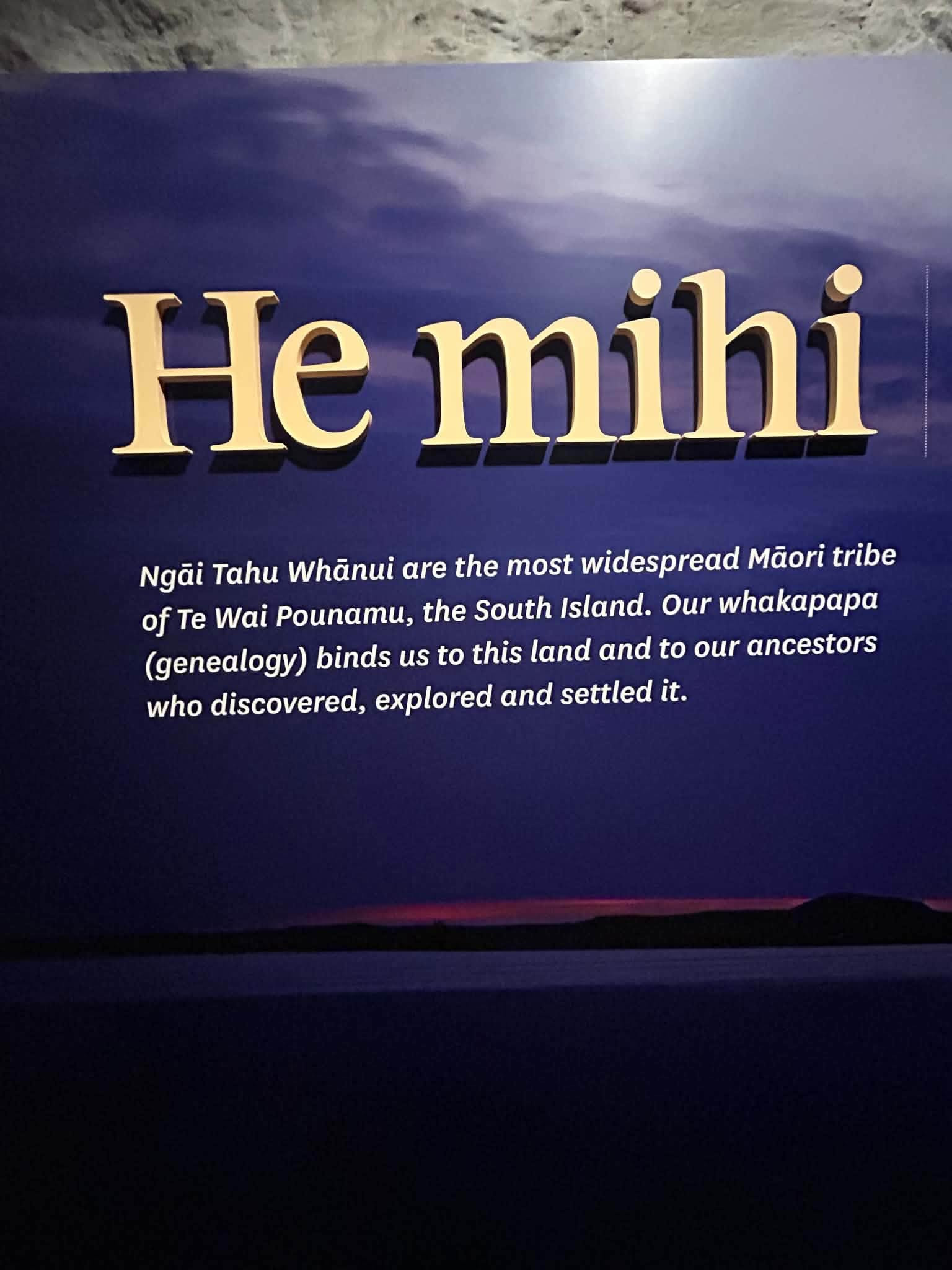
The area sits within the territory (rohe) of the Ngāi Tahu iwi (tribe). It formed part of traditional inland pathways (Te Ara Pounamu) used to travel between the east and west coasts for gathering and trading resources like pounamu (greenstone).
While not a permanent village site, Māori frequented the Mackenzie Basin to hunt native birds like the moa and fish for eels in the alpine waterways.
Aoraki Matatū!
Aoraki Matatū translates as a command to remain steadfast, alert, and resolute like a watchful guardian, drawing inspiration from Aoraki, the highest peak in New Zealand's South Island.
In Māori tradition, when clouds shroud the peak of Aoraki it reflects the mountain's literal name meaning "cloud piercer" and carries a deep cultural meaning regarding its status as a sacred ancestor.
The Department of Conservation notes a traditional Ngāi Tahu saying for this sight: "He kapua kei runga i Aoraki, whakarewa whakarewa" (The cloud that floats aloft Aoraki, forever fly, stay aloft).
Local Māori view the cloud cloak as a sign of respect, meaning Aoraki does not always reveal himself to everyone, just as a great chief or elder is not always out giving an audience.
The Mata-Au
Mata-au (the Clutha River) flows from Lake Wānaka in a south-easterly direction through Central Otago into Te Moana-nui-a-Kiwa (the Pacific Ocean) at Molyneux Bay. The mouth of Mata-au was heavily populated with many permanent and temporary kāika (settlements) located throughout the lower stretches of the river. Murikauhaka, a kāika near the mouth of the Mata-au, was at one stage home to an estimated two hundred people. The river itself was an important trail, providing direct access into lakes Wānaka, Hāwea and Whakatipu Waimāori (Lake Wakatipu) from coastal Otago.